
Ultimate Guide to Visiting Seville Cathedral | A Virtual Tour of Seville Cathedral | 12 Interesting Things to See and Know about Catedral de Sevilla, Spain
Prologue
During a memorable Easter, we set out on an epic adventure Where Europe Meets Africa | 7000 km Road Trip from the Netherlands to Morocco through Wine Roads, Holy Sites, and Clifftop Towns of France, Spain, and Gibraltar | Itinerary, Tips, and Tricks. What started as a casual idea soon unfolded into one of the most memorable experiences of our lifetime. Along the way, we wandered through medieval villages, sipped wine in quiet French vineyards, stood in awe at ancient cathedrals and abbeys, drove along coastal cliffs, and watched the cultures of Europe slowly melt into the soulful rhythms of Morocco.
Among the many unforgettable places we explored during this extraordinary road trip was the magnificent Seville Cathedral in the heart of Spain’s sun-drenched Andalusian capital. Standing proudly beside the elegant Royal Alcázar of Seville, the cathedral immediately captured our imagination with its immense Gothic architecture, soaring bell tower, and centuries of layered history. Walking through its grand doors felt like stepping into a living museum where art, faith, exploration, and empire intersected beneath golden ceilings and stained glass. Today, based on that remarkable experience, I invite you to join me on a virtual journey through one of Spain’s most breathtaking landmarks.
Welcome to Seville
Seville (pronounced as ‘Seh-vayl’ in English) or Sevilla (pronounced as ‘Seh-bee-yah’ in Spanish) is one of those rare cities that captures your imagination long before you arrive. The streets glow beneath the Andalusian sun, orange trees perfume the air, and every corner seems to whisper stories from another era. As the capital of Andalusia, Seville carries the legacies of Romans, Moors, Christians, explorers, artists, and kings. Grand churches rise beside ancient Islamic walls, while narrow alleys suddenly open into lively plazas filled with music, tapas, and flamenco rhythms. The city moves at its own pace, neither hurried nor sleepy, but wonderfully alive.
Walking through Seville feels like wandering through layers of history. The magnificent Royal Alcázar of Seville enchants visitors with its ornate courtyards, intricate Mudéjar architecture, and lush palace gardens, while the old Jewish quarter of Santa Cruz charms travelers with narrow winding alleys, whitewashed houses, hidden patios, and flower-covered courtyards overflowing with Andalusian character. Yet among all these remarkable landmarks, nothing quite prepares you for Seville Cathedral. Unlike many historic churches that feel distant from everyday life, the cathedral remains deeply woven into the spiritual and cultural identity of the city. Religious ceremonies, celebrations, and centuries-old traditions continue to unfold within its monumental walls. That continuity gives the cathedral a living soul. It is not merely a masterpiece admired for its architecture, but a sacred monument that continues to shape the rhythm and identity of Seville even today.
The atmosphere surrounding Seville Cathedral is equally unforgettable. Street musicians perform beneath the shadow of the Giralda Tower, horse carriages roll across nearby plazas, and travelers from around the world gather outside its immense Gothic façade. The anticipation grows stronger with every step toward the cathedral because you instinctively sense that something extraordinary awaits inside. Once you finally pass through its grand entrances, the energy of the bustling city slowly fades away, replaced by soaring vaulted ceilings, glowing stained glass, echoing chapels, and golden altarpieces that seem almost too magnificent to belong to the real world.
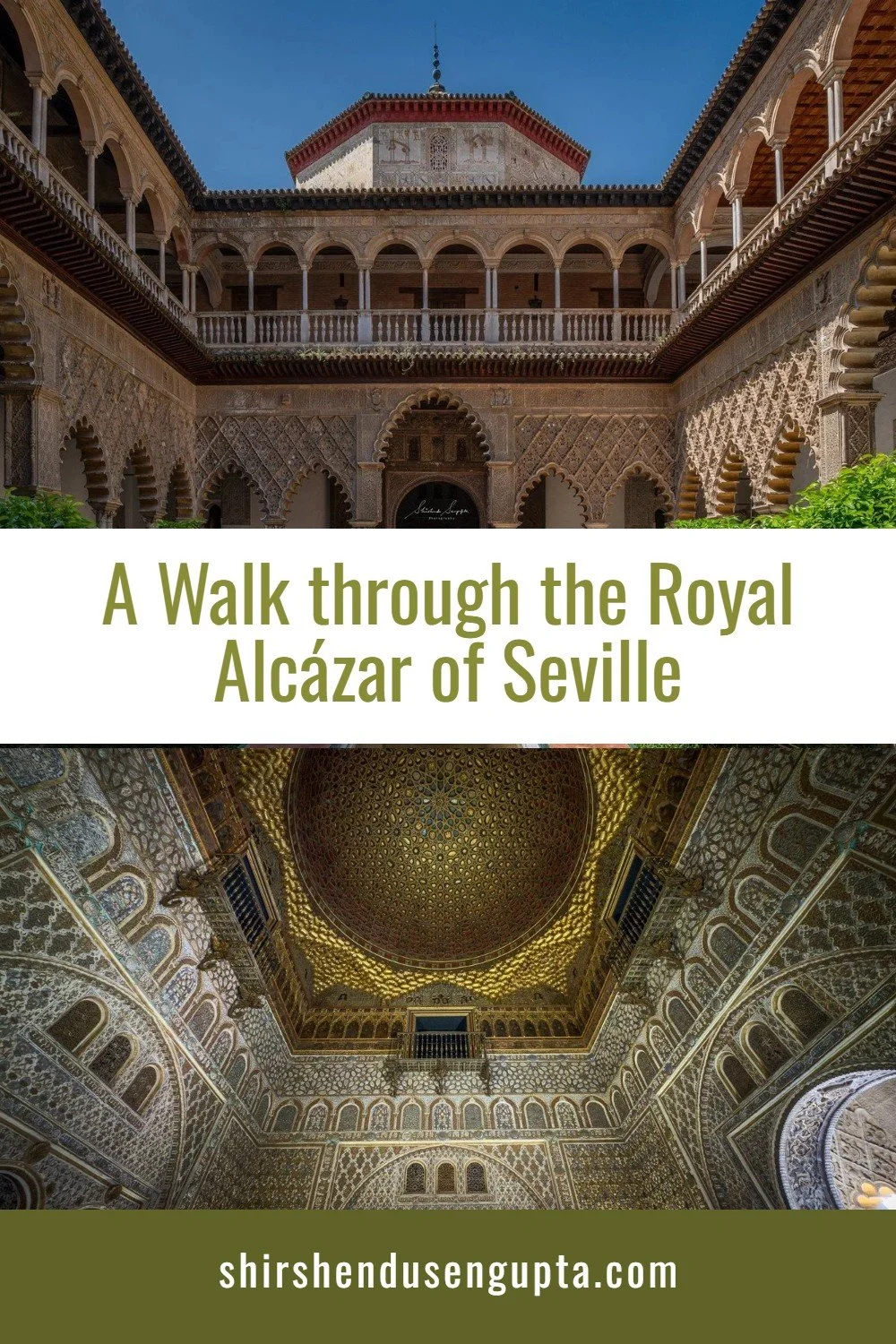
If you want to know about the Royal Alcázar of Seville, please read our article A Walk through the Royal Alcázar of Seville | Essential Guide to Plan Your Visit to the Real Alcázar de Sevilla, Spain.
About the Seville Cathedral
Seville Cathedral, officially known as Catedral de Santa María de la Sede, is one of the most extraordinary religious monuments in Europe and the largest Gothic cathedral in the world. Located in the historic center of Seville, this UNESCO World Heritage Site attracts millions of visitors every year with its immense scale, intricate artistry, and fascinating blend of Christian and Islamic heritage. Construction of the cathedral began in the early fifteenth century after the city’s rulers decided to build a church so magnificent that future generations would consider them mad for attempting it. The structure was erected on the site of a former Almohad mosque, and traces of that earlier Islamic architecture still survive today, especially in the famous Giralda bell tower and the tranquil Patio de los Naranjos courtyard.
Inside the cathedral, visitors encounter soaring vaulted ceilings, elaborate altarpieces covered in gold, richly decorated chapels, and the tomb traditionally attributed to Christopher Columbus. Over centuries, the cathedral became a symbol of Seville’s prosperity during Spain’s Age of Exploration, when ships carrying treasures from the Americas transformed the city into one of Europe’s wealthiest trading centers. Today, Seville Cathedral remains both a sacred religious site and an architectural masterpiece that beautifully reflects the layered history of Andalusia.
12 Interesting Things to See and Know about Seville Cathedral
High Altar (Retablo Mayor)
If the Seville Cathedral is a crown, the Capilla Mayor is its most brilliant jewel. Dominating the central nave, this staggering altarpiece is widely considered the largest and most intricate in the Christian world. Designed by the Flemish sculptor Pieter Dancart in 1482, it took nearly 80 years of meticulous craftsmanship to complete. The structure is carved entirely from wood and covered in a literal mountain of gold, much of it brought back from the Americas during the peak of the Spanish Empire’s wealth.
Visually, the altar is an overwhelming narrative of faith. It contains over 1,000 carved figures depicting 45 distinct scenes from the Life of Christ and the Virgin Mary. The sheer scale, roughly 20 meters high, forces the viewer to look upward, mimicking a spiritual ascent. At the very base sits the small, silver-plated 13th-century statue of Virgen de la Sede (the Virgin of the See), the patroness for whom the cathedral is named. Seeing it in person, especially when the light catches the golden reliefs, is a sensory experience that defines the grandeur of Spanish Gothic and Renaissance art. It is a testament to the era’s ambition to build something so magnificent that future generations would think the builders "mad" for attempting it.
Altar of the Virgin of the Star (Virgen de la Estrella)
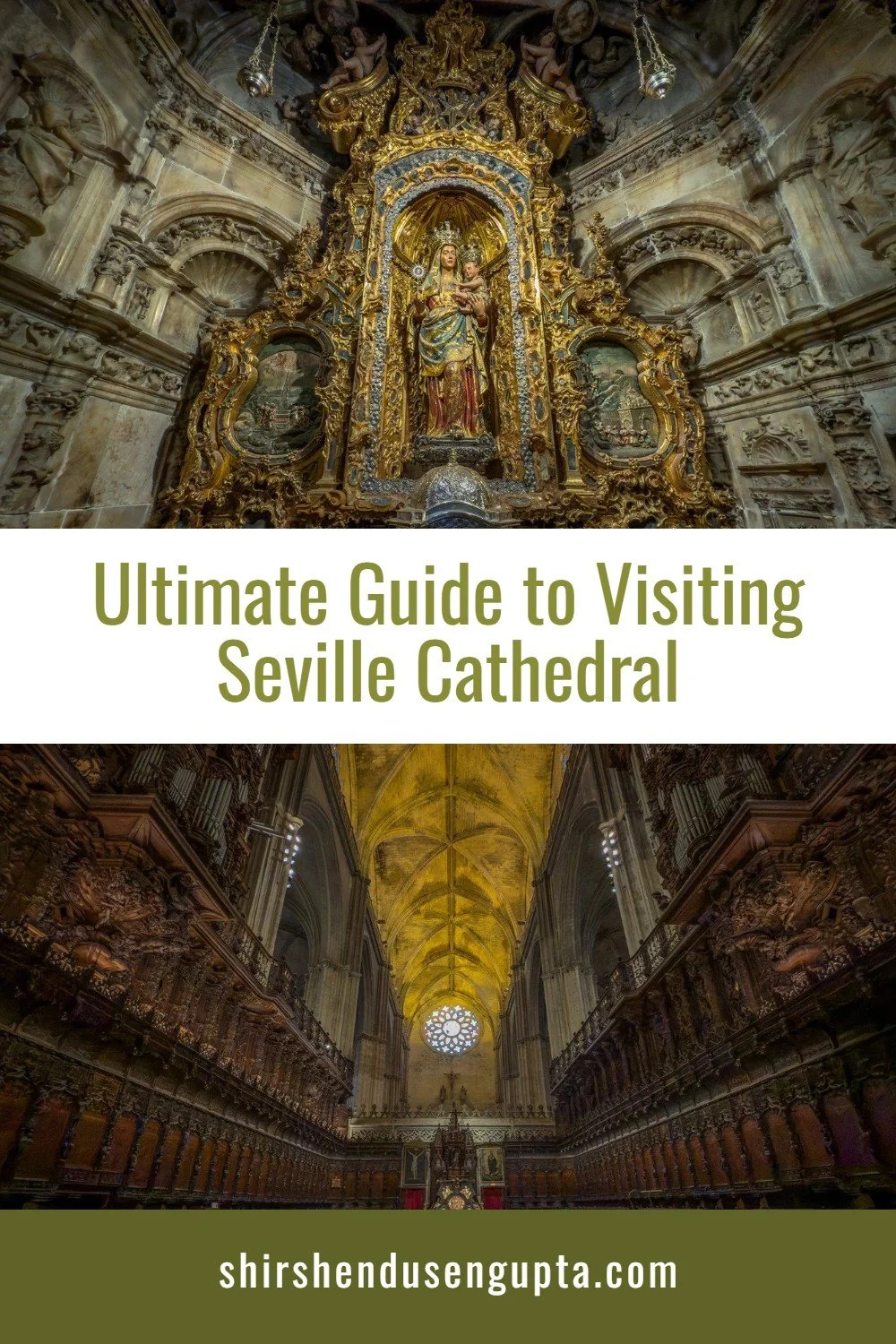
The Altar of the Virgin of the Star (Virgen de la Estrella) is one of the most captivating artistic treasures within Seville Cathedral, located in the Trasaltar, the richly decorated architectural space directly behind the cathedral’s monumental Retablo Mayor. Although often overshadowed by the grandeur of the main altar, this remarkable work rewards attentive visitors with an extraordinary combination of Renaissance elegance and dramatic Baroque artistry. At the center stands a serene sixteenth-century stone sculpture of the Virgin Mary holding the Christ Child, traditionally attributed to the sculptor Nicolas de León. The figure is admired for its calm expression, graceful posture, and delicate sculptural details that reflect the refinement of Renaissance religious art in Spain.
During the late seventeenth century, the original sculpture was incorporated into an elaborate Baroque retablo overflowing with gilded carvings, decorative flourishes, twisting columns, angels, and celestial imagery. This dazzling golden framework was designed to celebrate the Virgin as a symbolic guiding star for believers navigating both spiritual and worldly journeys. Illuminated by soft cathedral light, the altar radiates warmth and devotion while beautifully showcasing the artistic transformation of Seville across different historical periods.
The Choir (Coro)
Located directly in the center of the cathedral’s massive nave is the Coro (Choir), a space that functions as the liturgical and musical heart of the building. In traditional Spanish cathedral architecture, the choir is placed in the center of the main aisle rather than at the front, creating a "church within a church" atmosphere. This layout provides an intimate setting for the clergy and canons to gather for daily choral prayer, even within the cavernous scale of the world’s largest Gothic cathedral.
The defining feature of this space is the magnificent set of choir stalls, which are masterpieces of 15th and 16th-century woodcarving. Crafted primarily from high-quality oak and walnut, the stalls are divided into upper and lower tiers, featuring intricate reliefs that depict scenes from the Old and New Testaments. Beyond the biblical narratives, the carvings include whimsical "misericords," which are small wooden ledges on the underside of folding seats designed to provide a bit of support for clergy who had to stand for long periods. Every inch of the wood is adorned with foliage, mythical creatures, and geometric patterns, showcasing the incredible skill of Renaissance craftsmen. At the center of the choir stands the massive bronze lectern, or facistol, which once held the enormous, hand-painted songbooks used by the singers. Standing here, surrounded by centuries of carved history, you can almost hear the echoes of the Gregorian chants that have filled this stone vault for generations.
The Altar of Immaculate Conception within the Alabaster Chapel
The Alabaster Chapels are a collection of four small, exquisite enclosures built into the exterior walls of the Choir within the Seville Cathedral. Their name is derived from the translucent, pale stone used in their construction, which provides a delicate, luminous backdrop to the heavy gold ornamentation added in later years. These chapels were designed in the early 16th century during the Renaissance, serving as a transition between the cathedral’s towering Gothic architecture and the more intimate, detailed styles that followed.
The Altar of the Immaculate Conception within one of the Alabaster Chapels is a stunning example of the religious artistry housed within the Seville Cathedral. Created by the renowned sculptor Juan Martínez Montañés and architect Francisco de Ocampo in the early 17th century, this retablo is a masterpiece of the Baroque transition. At its center stands a beautifully carved figure of the Virgin Mary, known as "La Cieguecita" (The Little Blind One) due to her downcast eyes and serene, meditative expression. This statue is celebrated as one of the most significant depictions of the Immaculate Conception in Spanish art, characterized by its lifelike drapery and delicate emotional depth.
The altarpiece is framed by massive, gilded Solomonic columns that draw the eye upward toward the intricate vaulted ceilings of the chapel. Flanking the central figure are statues of various saints, including St. Gregory and St. John the Baptist, each tucked into dedicated niches that add a sense of rhythmic balance to the composition. The use of gold leaf across the relief carvings creates a brilliant contrast against the darker, shadowed areas of the cathedral’s interior. This altar serves as a perfect example of how Seville used art to communicate complex theological ideas through sheer visual beauty and expert craftsmanship.
Side Chapels
The side chapels of Seville Cathedral form a remarkable network of sacred spaces surrounding the immense central nave, turning the cathedral’s interior into a living treasury of Spanish religious art, devotion, and history. Originally established by noble families, influential archbishops, and powerful religious brotherhoods, these chapels evolved over centuries into richly decorated sanctuaries filled with paintings, tombs, sculptures, and altarpieces reflecting different artistic periods from Gothic and Renaissance to Baroque styles. Each chapel possesses its own distinct atmosphere, allowing visitors to move from one intimate spiritual setting to another while exploring the cathedral’s monumental interior.
Among the most important side chapels of Seville Cathedral are the Chapel of the Virgin of Antigua, closely linked with sailors and explorers of the Age of Discovery, and the peaceful Chapel of St. Peter. Visitors also admire the beautiful Virgin of the Pomegranate (Virgen de la Granada) within the Scalas Chapel for its refined medieval artistry. The cathedral additionally preserves the Tomb of Archbishop Gonzalo de Mena y Roelas and the Tomb of Cardinal Juan de Cervantes within the Chapel of San Hermenegildo, both celebrated for their historical and artistic significance.
The Chapel of the Virgin of Antigua (Capilla de la Antigua)
The Chapel of the Virgin of Antigua is one of the most historically significant sites within the Seville Cathedral. The focal point of the image is the 14th-century fresco of the Virgin Mary, which predates the current Gothic cathedral and was preserved from an earlier structure. This specific image holds immense cultural weight as the patroness of Spanish explorers; both Christopher Columbus and Ferdinand Magellan are said to have prayed before this mural before embarking on their voyages to the Americas.
The fresco is framed by a magnificent 18th-century marble altarpiece designed by Duque Cornejo, which stands in elegant contrast to the darker, large-scale paintings on the side walls. To the left and right of the altar, you can see the grand silver-and-marble tombs of high-ranking clergy, including the impressive sepulcher of Cardinal Diego Hurtado de Mendoza. The chapel remains a profound symbol of Seville's naval history and its transition from the medieval era to the Age of Discovery. Its blend of Byzantine-influenced fresco work and late Baroque architecture makes it a unique sanctuary within the world's largest Gothic cathedral.
Chapel of St. Peter (Capilla de San Pedro)
The Chapel of Saint Peter, situated within the eastern wall of the Seville Cathedral, is renowned for its monumental altarpiece dedicated to the life and works of the apostle Peter. Unlike the smaller Alabaster Chapels, this is a large, recessed side chapel that showcases a stunning blend of architectural disciplines, featuring a massive gilded retablo that stretches toward the vaulted ceiling.
The altarpiece is a masterpiece of the 17th century, dominated by a series of paintings by the legendary Spanish artist Francisco de Zurbarán. These panels depict significant moments such as Saint Peter’s vision and his liberation from prison, characterized by Zurbarán’s signature use of tenebrism - the dramatic contrast between light and dark. Above the central altar, a stained-glass window allows natural light to spill over the intricate wood carvings, highlighting the figures of saints and the ornate silver lamps flanking the altar rail. This chapel serves as a quiet sanctuary of high art, offering visitors a chance to see works by a Spanish master in their original, intended liturgical setting.
Virgin of the Pomegranate (Virgen de la Granada) within Scalas Chapel (Capilla de Scalas)
The Virgin of the Pomegranate, located within the Capilla de Scalas in the Seville Cathedral, is a masterpiece of the Italian Renaissance attributed to the workshop of Andrea della Robbia. The central scene depicts the Virgin Mary holding the Christ Child, flanked by saints, with graceful angels crowning her from above. This moment of celestial coronation is framed by a classicizing tabernacle and signature fruit garlands, rendered in the luminous white-and-blue tin-glazed terracotta that made the Florentine workshop world-famous.
The symbolism within the work is profound, particularly the pomegranate held by Mary, which serves as a powerful emblem of the Church and the immortality of the soul. This delicate modeling of the figures provides a sense of human tenderness and grace that stands out against the vibrant cobalt blue background, a hallmark of the Della Robbia aesthetic. Commissioned in the early 16th century by Baltasar del Río, the Bishop of Scalas, this relief remains one of the most significant Italian imports in Spain. It beautifully captures the intersection of deep theological meaning and the refined artistic craftsmanship of the Renaissance era.
Tomb of Archbishop Gonzalo de Mena y Roelas within the Chapel of Santiago
The Tomb of Archbishop Gonzalo de Mena y Roelas is a remarkable example of fourteenth-century Gothic funerary art located within the Chapel of Santiago. Crafted from alabaster, the monument honors Archbishop Gonzalo de Mena y Roelas, who served as Archbishop of Seville from 1394 until his death in 1401. Beyond his ecclesiastical leadership, he is remembered for founding the Carthusian Monastery of Santa María de las Cuevas and for his charitable work supporting the poor and marginalized communities of Seville. The effigy portrays the Archbishop resting peacefully in eternal repose, dressed in finely carved liturgical robes whose flowing folds reveal the extraordinary craftsmanship of late medieval sculptors. Beneath the figure, the sarcophagus displays intricate relief carvings featuring scenes of mourning figures and religious symbolism associated with salvation and remembrance.
Above the tomb, a large Renaissance marble plaque recounts important details about the Archbishop’s life and enduring legacy. Crowning the monument is a delicate blue-toned relief of the Madonna and Child, adding a softer devotional dimension to the solemn funerary setting. Behind the tomb, visitors can also notice a statue of Angela of the Cross, one of Seville’s most beloved saints, whose presence further enriches the spiritual atmosphere of the chapel. Together, these artistic and religious elements create a deeply reflective space connecting Seville’s medieval heritage with later centuries of devotion and memory.
Tomb of Cardinal Juan de Cervantes within the Chapel of San Hermenegildo
The tomb of Cardinal Juan de Cervantes, located in the Chapel of San Hermenegildo, is a masterpiece of 15th-century funerary sculpture. Created around 1453 by the sculptor Lorenzo Mercadante de Bretaña, this alabaster monument represents a pivotal moment where Gothic tradition began to embrace Renaissance realism. The effigy of the Cardinal is celebrated for its anatomical precision and individualistic facial features, portraying him in a state of solemn, lifelike repose atop three stacked cushions.
The sarcophagus itself is an architectural marvel. The base is supported by small stone lions and features deeply carved niches. In these sections, pairs of graceful angels flank heraldic shields, their forms exhibiting the fluid drapery and expressive movement characteristic of Mercadante’s style. A Latin inscription runs along the upper edge of the tomb, detailing the Cardinal’s titles and his death in 1453.
Above the monument, a gilded Baroque altarpiece housing a painting of a saint provides a dramatic contrast to the pale alabaster. Flanked by two dark, large-scale canvases depicting religious gatherings, the tomb remains one of the most significant artistic treasures in Seville, showcasing the transition toward the detailed naturalism of the early modern era.
Tomb of Christopher Columbus
The monumental tomb of Christopher Columbus is one of the most visited sites in the Seville Cathedral. Completed in 1899 by sculptor Arturo Mélida, the monument is a powerful piece of symbolic art that reflects Spain’s complex relationship with the explorer. The tomb features four massive bronze figures acting as pallbearers, carrying the casket aloft. These figures represent the four historical kingdoms of Spain: Castile, León, Aragon, and Navarre. You can distinguish them by the heraldic symbols on their tunics; for instance, the front-left figure bears the castle of Castile, while the front-right displays the lion of León. This elevated design was a response to Columbus’s deathbed wish not to be buried in Spanish soil, technically keeping his remains "above ground."
Behind and above the tomb, the cathedral's architecture transitions into soaring Gothic arches and a large 18th-century clock. The location is deeply symbolic, situated near the Door of the Princes. While Columbus’s remains traveled between Spain, Santo Domingo, and Cuba for centuries, DNA testing in the early 2000s confirmed that at least a portion of the bones housed in this ornate bronze structure are indeed his.
Stained Glass Windows
Seville Cathedral houses one of the most extensive and well-preserved collections of stained glass in the world, featuring approximately 80 windows that span from the 15th to the 20th centuries. These "walls of light" were not merely decorative; they served as a Biblia Pauperum (Bible of the Poor), illustrating sacred narratives for a largely illiterate population while bathing the Gothic interior in a celestial glow.
Technically, the windows transition from the medieval "pot-metal" glass, where color was infused into the molten glass, to the Renaissance style of glass painting. Renowned masters like Arnao de Vergara and Enrique Alemán contributed to the collection, blending Flemish realism with Spanish devotional intensity. These windows are vital architectural lungs, filtering the intense Andalusian sun into a spectrum of ruby reds and deep blues that define the cathedral's spiritual atmosphere.
La Giralda
La Giralda stands as the most iconic symbol of Seville, representing a unique architectural fusion of Islamic heritage and Christian transformation. Originally built between 1184 and 1198 as the minaret for the Almohad Great Mosque, it was modeled after the Koutoubia Mosque in Marrakesh. Its Almohad origins are visible in its distinctive sebka brickwork - intricate, diamond-shaped patterns that decorate the exterior walls.
When the Christians conquered Seville in 1248, the mosque was converted into a cathedral, and the minaret became its bell tower. Following an earthquake in 1365 that destroyed the original copper spheres at the top, a Renaissance-style belfry was added in the 16th century by architect Hernán Ruiz. This addition is topped by the Giraldillo, a massive bronze statue representing the Triumph of Faith, which doubles as a weather vane, giving the tower its name (girar meaning "to turn").
One of its most fascinating features is the interior: instead of stairs, a series of 35 sloping ramps leads to the top. These were designed to allow the Muezzin to ascend the 104-meter tower on horseback to deliver the call to prayer. Today, these ramps lead visitors to a gallery offering the most breathtaking panoramic views of the city.
Visiting the Seville Cathedral
Opening Hours: The opening hours of Seville Cathedral vary slightly depending on the season, religious celebrations, and special events taking place throughout the year. In general, the cathedral remains open from late morning until early evening on most weekdays and Saturdays, while Sundays usually have shorter visiting hours because of church services and religious activities. During important festivals such as Semana Santa and Christmas, schedules may change significantly, so visitors should always confirm the latest timings before arriving. Arriving early in the day is highly recommended because queues can become extremely long, particularly during weekends and peak tourist months in spring and summer.
Address: Seville Cathedral is located in the historic center of Seville, surrounded by charming narrow streets, lively plazas, and several of the city’s most famous landmarks. The official address is Avenida de la Constitución s/n, 41004 Seville, Andalusia, Spain. Its central location makes it incredibly easy to combine with visits to nearby attractions such as the Royal Alcázar, Archivo de Indias, and the picturesque Santa Cruz neighborhood. Because the cathedral sits within one of the most visited districts in Seville, the area around it is always full of restaurants, tapas bars, souvenir shops, horse carriages, and street musicians that create a vibrant Andalusian atmosphere throughout the day and evening.
GPS Coordinates: For travelers arriving independently by rental car, taxi, or navigation app, the GPS coordinates of Seville Cathedral are approximately 37.3860, -5.9930. These coordinates will guide visitors directly into the historic heart of Seville, although drivers should remember that many surrounding streets are narrow and partially restricted to local traffic. Navigation systems occasionally direct tourists into confusing one-way lanes within the old town, so it is often easier to park slightly outside the center and continue on foot. Once inside the historic district, the cathedral’s massive Giralda tower dominates the skyline, making the monument surprisingly easy to locate even without digital assistance or detailed paper maps.
Parking: Parking near Seville Cathedral can be challenging because the surrounding historic district was not designed for modern traffic volumes. Most visitors prefer using underground public parking garages located a short walking distance from the cathedral rather than attempting to drive directly into the old town. We recommend parking at the underground parking garage Paseo de Colón near Plaza de Toros de la Real Maestranza, and then walking to the cathedral. Popular parking areas near the center often fill quickly during weekends, holidays, and major festivals, especially during Semana Santa celebrations. Travelers arriving early in the morning usually have a better chance of finding convenient parking spaces at reasonable prices. Since many streets around the cathedral are pedestrianized or restricted, walking through Seville’s beautiful historic center often becomes part of the overall experience rather than an inconvenience.
Public Transport: Public transport in Seville is efficient, affordable, and one of the easiest ways to reach Seville Cathedral without dealing with parking or traffic restrictions. The cathedral is well connected by tram lines, local buses, taxis, and pedestrian-friendly streets throughout the city center. The nearby tram stop at Archivo de Indias places visitors only a short walk from the main entrance. Travelers staying elsewhere in Seville can also use the city’s reliable bus network, which connects major neighborhoods and transport hubs with the historic district. Because the old town is compact and visually stunning, many tourists prefer walking from nearby hotels while enjoying the colorful buildings, hidden courtyards, and lively atmosphere that define Seville’s historic charm.
Best Time in the Year to Visit: The best time to visit Seville Cathedral is during spring and autumn, when temperatures are pleasant and the city’s atmosphere feels especially vibrant. Spring is particularly magical because orange blossoms perfume the streets and famous festivals such as Semana Santa and Feria de Abril bring extraordinary energy to Seville. Summers can become intensely hot, with daytime temperatures often exceeding forty degrees Celsius, making long sightseeing sessions exhausting during midday hours. Winter offers a quieter and more relaxed experience with smaller crowds and milder weather, although occasional rain showers are possible. For photography enthusiasts, early mornings and late afternoons provide softer lighting that beautifully enhances the cathedral’s Gothic architecture and surrounding historic streets.
Dress Code: As an active religious site, Seville Cathedral expects visitors to dress respectfully while exploring the cathedral and its chapels. Clothing that is excessively revealing, including very short shorts, swimwear, or tops exposing shoulders and midriffs, may not be considered appropriate for entry. Comfortable footwear is strongly recommended because visiting the cathedral involves extensive walking across stone floors, staircases, and large interior spaces. During warmer months, lightweight clothing is useful because Seville’s temperatures can become extremely high, especially in summer afternoons. Carrying a hat and a water bottle for outdoor waiting lines is also advisable. Respectful attire helps maintain the sacred atmosphere of the cathedral while ensuring visitors feel comfortable during their experience.
Food and Drinks: Food and drinks are generally not permitted inside Seville Cathedral because the site functions both as a major tourist attraction and an active place of worship. Visitors are usually expected to finish snacks and beverages before entering the monument. Fortunately, the surrounding streets are packed with cafés, bakeries, tapas bars, and traditional Andalusian restaurants where travelers can enjoy local specialties before or after their visit. Popular dishes in the area include jamón ibérico, gazpacho, croquetas, and freshly fried seafood accompanied by regional wines or refreshing sangria. Many nearby establishments also offer outdoor seating, allowing tourists to relax while admiring views of the cathedral’s impressive exterior and the lively atmosphere of central Seville.
Photography/Videography: Photography is generally allowed inside Seville Cathedral for personal use, making it a paradise for architecture and travel photography enthusiasts. Visitors can capture breathtaking images of the cathedral's vaulted ceilings, stained-glass windows, ornate chapels, and the cathedral’s legendary altarpiece, which is among the largest in the world. However, flash photography, tripods, and professional filming equipment may be restricted in certain areas to protect artworks and maintain a respectful environment. Since lighting conditions vary significantly throughout the cathedral, cameras with good low-light performance are especially useful. Climbing the Giralda tower also rewards photographers with spectacular panoramic views of Seville’s rooftops, courtyards, and winding historic streets stretching into the distance.
Accessibility: Seville Cathedral has made significant efforts to improve accessibility for visitors with reduced mobility, although certain historic areas still present unavoidable challenges because of the building’s age and architectural design. Main sections of the cathedral are generally accessible through ramps and adapted entrances, allowing wheelchair users to experience much of the monument comfortably. Accessible restrooms and visitor assistance services are also available in several areas. However, some sections, especially the upper parts of the Giralda tower, may remain difficult for visitors with mobility limitations because the historic ramps and pathways can become steep and crowded. Travelers requiring additional support are encouraged to contact the cathedral administration in advance for updated accessibility information.
Pets: Pets are generally not allowed inside Seville Cathedral, except for certified service animals assisting visitors with disabilities. This policy helps preserve the cathedral’s peaceful atmosphere and protects its valuable artworks and historic interiors from accidental damage. Travelers exploring Seville with pets should plan accordingly before arriving at the cathedral because there are limited facilities nearby for temporarily accommodating animals. During warmer months, visitors should also avoid leaving pets unattended in parked vehicles because temperatures in Seville can rise dangerously high. Fortunately, many public spaces and riverside walking areas throughout the city are pet-friendly, making it easier for travelers to enjoy other parts of Seville comfortably while traveling with their animal companions.
Reservations: Reservations are highly recommended for visiting Seville Cathedral, particularly during spring festivals, summer holidays, weekends, and major religious celebrations when visitor numbers increase dramatically. Booking tickets online in advance not only guarantees entry but also helps travelers avoid extremely long queues that often form outside the cathedral. Certain ticket options may include priority access, combined entry with nearby attractions, or guided experiences that provide deeper historical insight into the monument. Last-minute visitors occasionally find same-day tickets unavailable during peak periods, especially around Semana Santa. Planning ahead allows travelers to select convenient time slots, organize their sightseeing schedule efficiently, and enjoy a smoother experience while exploring one of Spain’s most iconic landmarks.
Guided Tours: Guided tours offer one of the best ways to fully appreciate the extraordinary history and symbolism of Seville Cathedral. Knowledgeable guides explain the fascinating transformation of the site from a former mosque into a monumental Gothic cathedral while highlighting artistic details that many independent visitors might overlook. Tours often include stories about royal ceremonies, Christopher Columbus, religious traditions, architectural innovations, and the significance of the Giralda tower within Seville’s skyline. Some guided experiences also provide access to less crowded sections of the cathedral or combined visits with nearby landmarks such as the Royal Alcázar. Audio guides are usually available in multiple languages, making the experience accessible for international travelers from around the world.
Website: For the latest information regarding opening hours, temporary closures, ticket prices, guided tours, and reservation policies, visitors should consult the official website catedraldesevilla.es before planning their trip. Since schedules occasionally change because of religious ceremonies, restoration work, or national holidays, checking official updates in advance can prevent unnecessary inconvenience during your visit. The website also provides practical visitor guidance, accessibility details, event announcements, and online ticket purchasing options that help travelers organize their itinerary more efficiently. Exploring the website before arrival is especially useful during peak travel seasons when visitor demand becomes exceptionally high and advanced reservations may be strongly recommended for securing preferred entry times and guided tour availability.
Epilogue
Visiting Seville Cathedral was far more than simply checking another famous monument off our travel list. It was an experience filled with history, beauty, spirituality, and cultural depth that perfectly captured the timeless spirit of Andalusia. From the soaring Gothic interiors to the breathtaking views from the Giralda tower, every corner of the cathedral seemed to whisper stories from centuries past. Whether you are passionate about architecture, photography, religion, or history, Seville Cathedral offers an unforgettable journey through Spain’s remarkable heritage. Please let us know in the comments below if you enjoyed reading this article.
And if you want to know about another remarkable gem of Seville i.e., the Royal Alcázar, please read our article A Walk through the Royal Alcázar of Seville | Essential Guide to Plan Your Visit to the Real Alcázar de Sevilla, Spain, or if you want to know the best places to visit in Seville, please read our article Ultimate Seville Travel Guide | Self-Guided Seville Walking Tour Itinerary | 26 Best Places to Visit, Top Things to See and Do in Seville, Spain, or if you want to read the day-by-day account of our 7000 km road run from the Netherlands to Morocco during Easter, please visit our article Where Europe Meets Africa | 7000 km Road Trip from the Netherlands to Morocco through Wine Roads, Holy Sites, and Clifftop Towns of France, Spain, and Gibraltar | Itinerary, Tips, and Tricks. Until then, merry traveling and happy shooting!
Pin the article
Bookmark the article for reading later!
Want to license/buy photos in the article?
License photos for commercial/editorial use or buy photo prints!
Want us to write an article for you?
Articles for magazines, newspapers, and websites!
Watch our Videos
Check out our videos on our Youtube Channel!
Join the Newsletter
Get updates on our latest articles!
We respect your privacy. Read our policy here.














Rocamadour is one of France’s most extraordinary pilgrimage destinations, suspended between earth and sky in the Dordogne Valley. Its history stretches back to the early Middle Ages, when the hermit Amadour chose this cliff as a place of devotion. By the 12th century, Rocamadour had become a critical stop on the pilgrimage route to Santiago de Compostela, attracting kings, nobles, and ordinary pilgrims alike.