
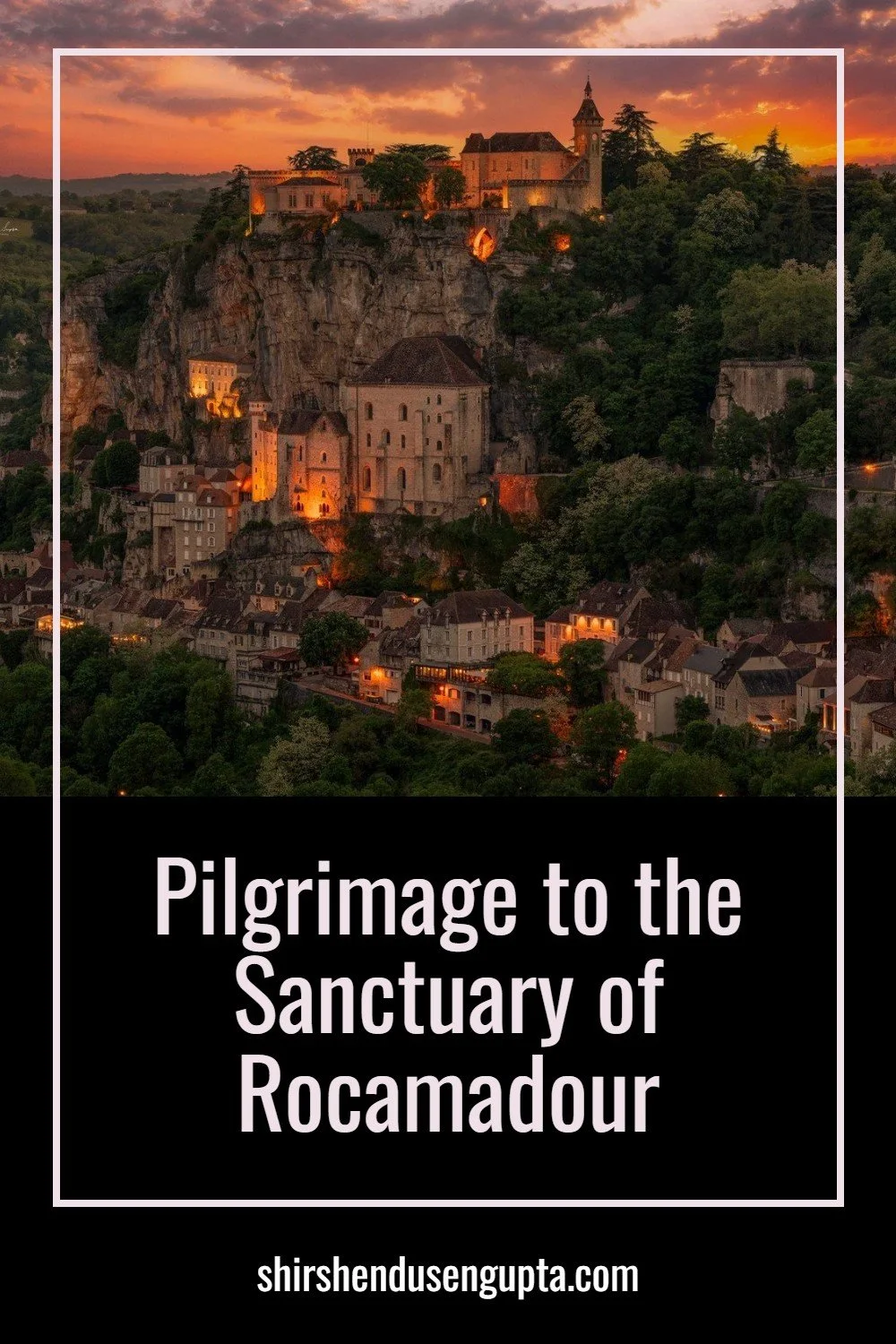
Pilgrimage to the Sanctuary of Rocamadour | 23 Top Attractions, Places to Visit, Things to See, and Do in Rocamadour, France
Rocamadour is one of France’s most extraordinary pilgrimage destinations, suspended between earth and sky in the Dordogne Valley. Its history stretches back to the early Middle Ages, when the hermit Amadour chose this cliff as a place of devotion. By the 12th century, Rocamadour had become a critical stop on the pilgrimage route to Santiago de Compostela, attracting kings, nobles, and ordinary pilgrims alike.
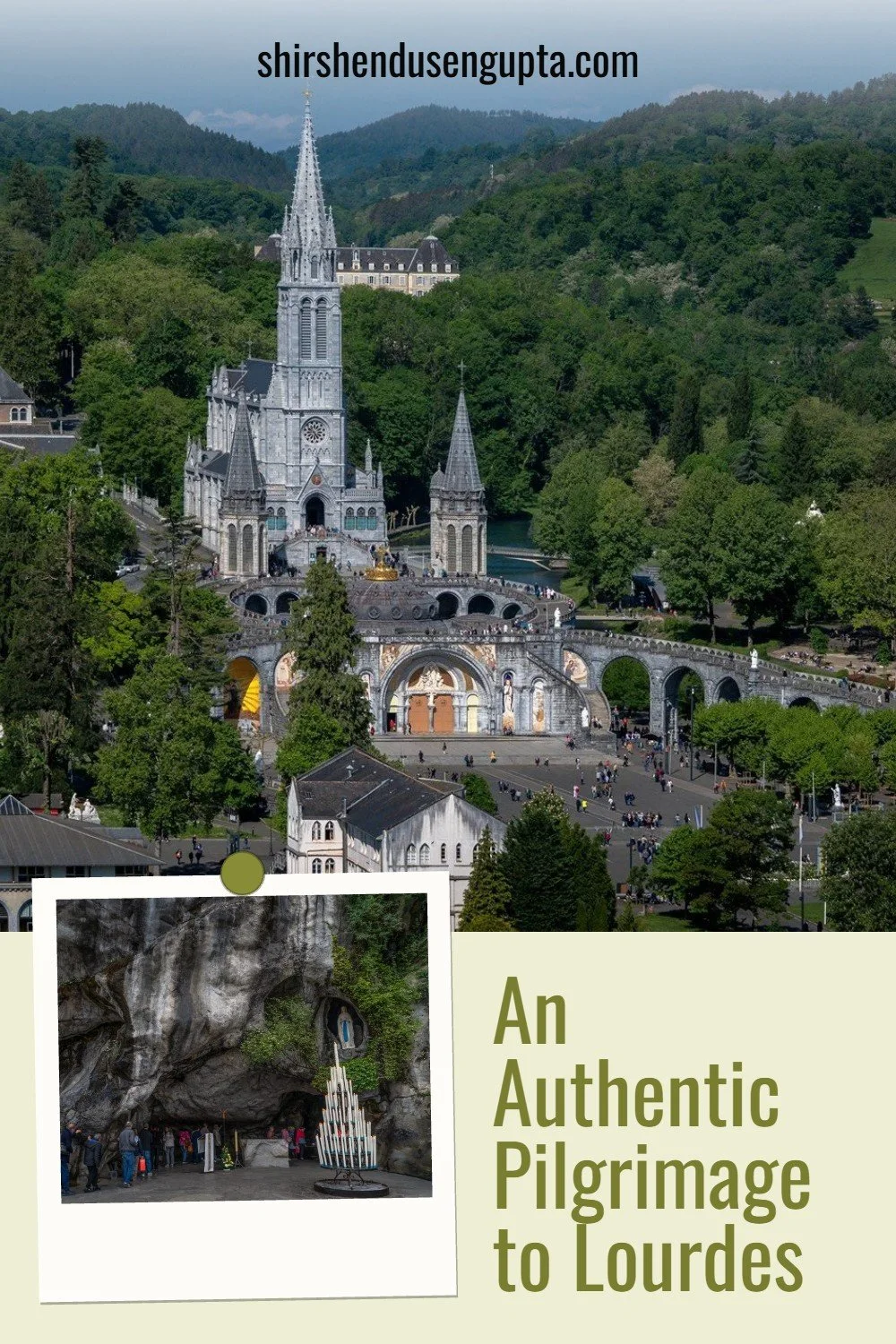
An Authentic Pilgrimage to Lourdes | 14 Top Places to Visit, Things to Know, See, and Do on a Visit to Lourdes, France
Lourdes, a small town nestled in the Pyrenees foothills of southwestern France, is renowned not for its size or grandeur but for its extraordinary spiritual significance. As one of the most important Catholic pilgrimage sites in the world, Lourdes draws nearly six million visitors annually. Pilgrims arrive seeking healing, peace, or simply to follow the path of a humble peasant girl whose visions forever transformed the religious landscape of modern France.

The Legendary Caves of Hercules | All You Need to Know Before You Embark on a Mythical Day Trip from Tangier, Morocco
During the tenth labor of Hercules, which was to retrieve the cattle of Geryon, a fearsome giant, he had to pass through the Atlas Mountains, then thought to be the edge of the known world. Legend has it that instead of scaling the mighty mountain range, Hercules smashed through it with his superhuman strength, creating the Strait of Gibraltar and separating Europe from Africa. The Caves of Hercules are said to be the place where he rested after this heroic act before moving on towards his eleventh labor, i.e., stealing the Apples of the Hesperides.
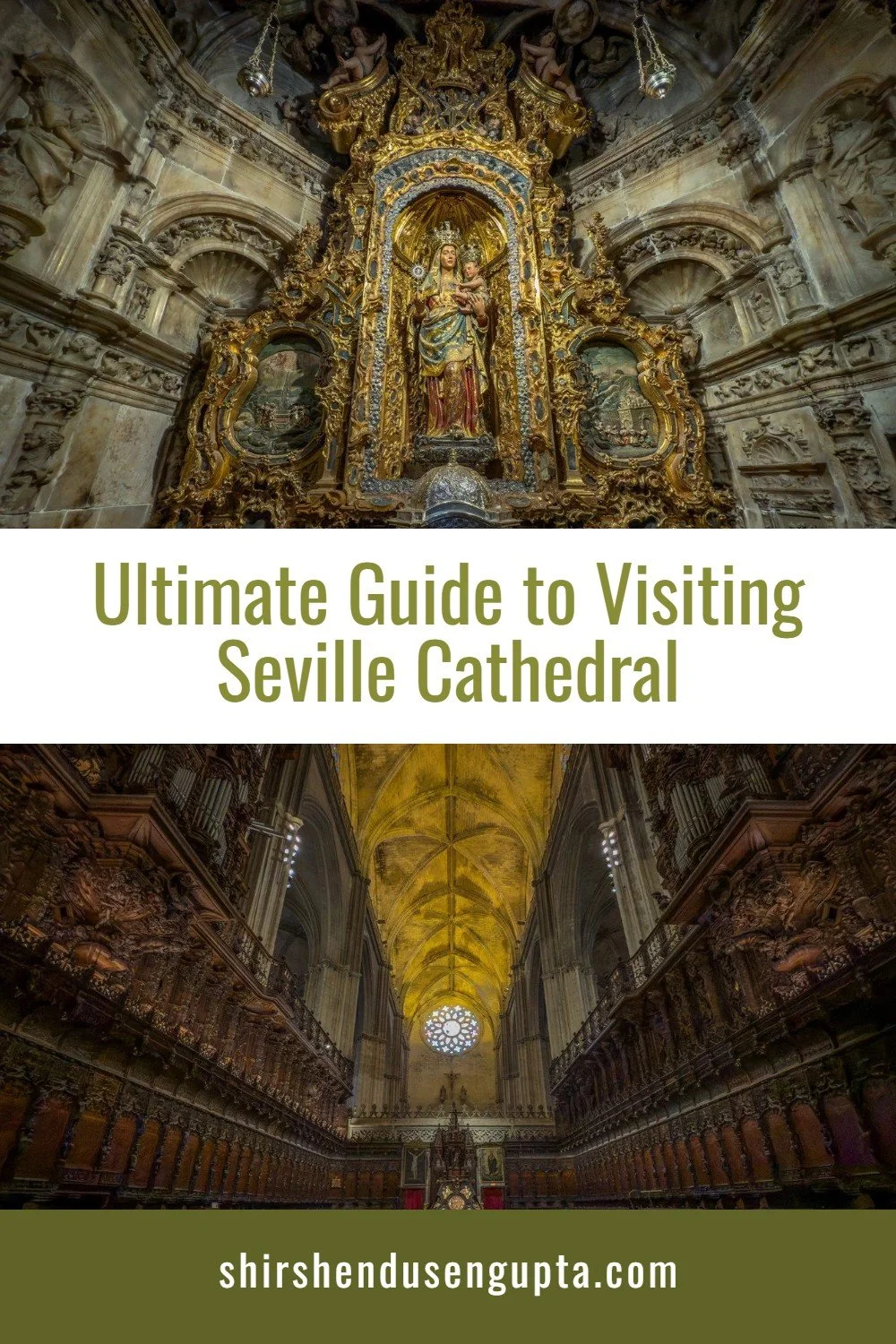
Ultimate Guide to Visiting Seville Cathedral | A Virtual Tour of Seville Cathedral | 12 Interesting Things to See and Know about Catedral de Sevilla, Spain
Seville Cathedral is one of the most extraordinary religious monuments in Europe and the largest Gothic cathedral in the world. Located in the historic center of Seville, this UNESCO World Heritage Site attracts millions of visitors every year with its immense scale, intricate artistry, and fascinating blend of Christian and Islamic heritage. Construction of the cathedral began in the early fifteenth century after the city’s rulers decided to build a church so magnificent that future generations would consider them mad for attempting it. The structure was erected on the site of a former Almohad mosque, and traces of that earlier Islamic architecture still survive today, especially in the famous Giralda bell tower and the tranquil Patio de los Naranjos courtyard.
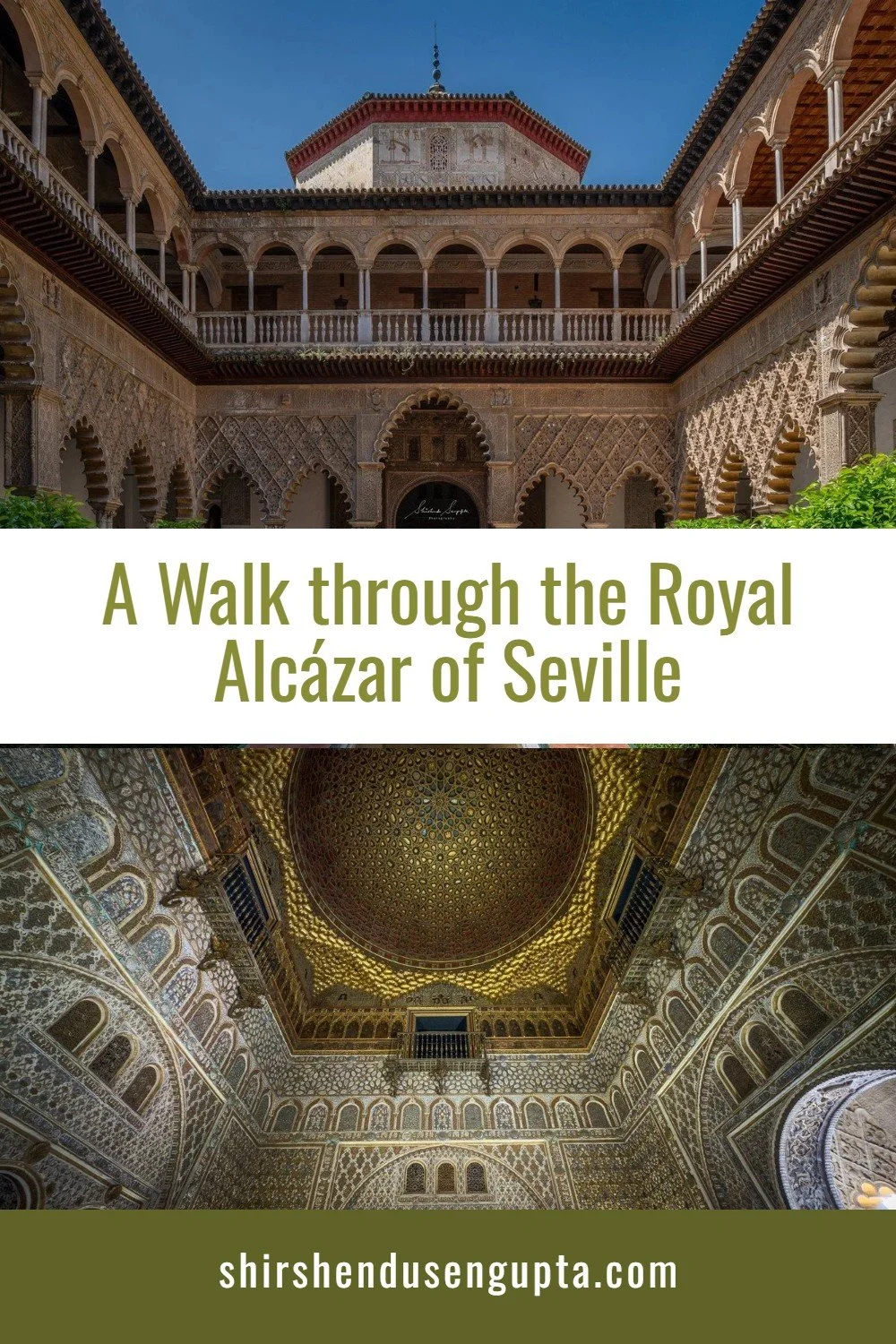
A Walk through the Royal Alcázar of Seville | Essential Guide to Plan Your Visit to the Real Alcázar de Sevilla, Spain
The Royal Alcázar of Seville is among the oldest continuously used royal palaces in Europe, and its story stretches across more than a thousand years of political and cultural transformation. Originally established as a fortified complex during the Islamic period, the site evolved through successive dynasties that shaped Seville into one of the most important cities in medieval Iberia. Following the Christian reconquest of the city in 1248, Christian monarchs preserved much of the earlier Islamic artistry while adding Gothic, Renaissance, and Baroque elements over the centuries. The result is an architectural masterpiece where diverse civilizations coexist beautifully within the same walls.

Visiting the Largest Underground Church in Europe - Monolithic Church of Saint-Émilion, France
Welcome to the Monolithic Church of Saint-Emilion, one of the most astonishing architectural and spiritual marvels in France and a highlight within the UNESCO World Heritage village of Saint-Emilion near Bordeaux. This remarkable subterranean church is carved entirely from a single limestone cliff, which makes it a unique masterpiece in European religious heritage.

The Mysterious Kelpies of Helix Park in Falkirk | A Tour of Scotland’s Monumental Tribute to Myth, Industry, and Majesty
Towering 30 meters (100 feet) above the Forth and Clyde Canal in central Scotland, and weighing more than 300 tonnes each, The Kelpies are the largest equine sculptures in the world. These twin horse-head statues, designed by Scottish sculptor Andy Scott, stand as a modern tribute to Scotland’s rich mythological and industrial heritage. Unveiled in 2014, The Kelpies have since become a symbol of the country's artistic spirit, a beacon of local pride, and one of Scotland’s top visitor attractions. But these aren’t just horse statues. They are living steel metaphors - part myth, part machinery, and entirely mesmerizing!
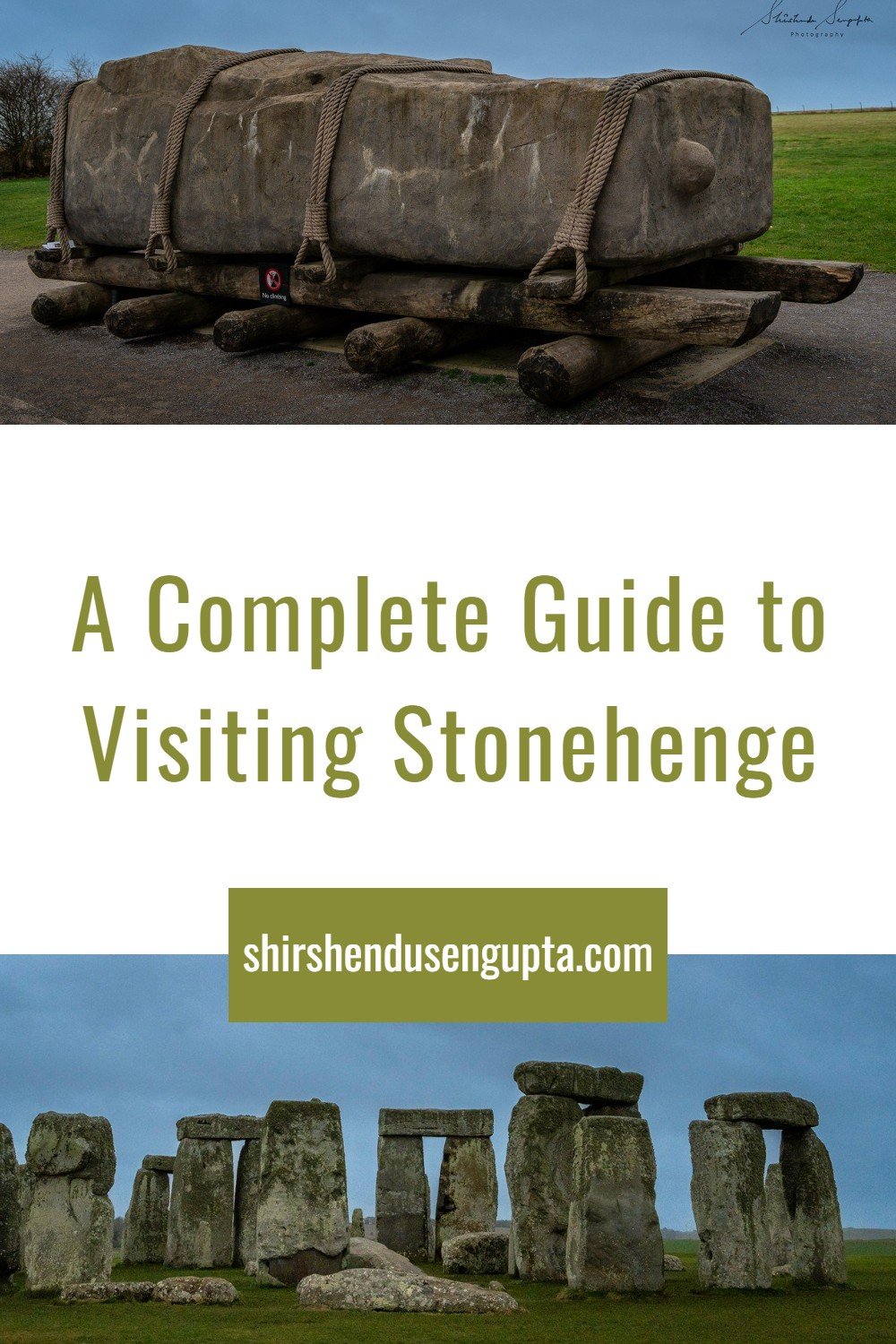
Visiting Stonehenge | A Complete Guide to England’s Most Mysterious Prehistoric Monument | History, Facts, Location, and Map
Set amidst the rolling plains of Wiltshire, Stonehenge stands as one of the world’s most iconic and enduring mysteries. These towering stones, some weighing up to 25 tons, arranged in an almost celestial pattern, continue to fascinate archaeologists, historians, and travelers alike. As much as it is a monument to ancient engineering, it is also a spiritual and symbolic landscape that holds stories spanning thousands of years.

Visiting Hergé Museum | All You Need to Know Before You Go to Musee Hergé in Louvain-la-Neuve near Brussels, Belgium
The nostalgic Hergé Museum, housed in an inventive building in the small town of Louvain-la-Neuve in the French-speaking Wallonia region of Belgium, about 20 km southeast of Brussels, celebrates Georges Remi (1907–1983), alias Herge, the multitalented creator of comic-strip hero Tintin with an engaging, and extensive exhibition. It is a site that serves as both a shrine to avid Tintinologists like us and an appropriately artistic tribute to one of Belgium’s greatest creative personalities. So let’s explore it together!
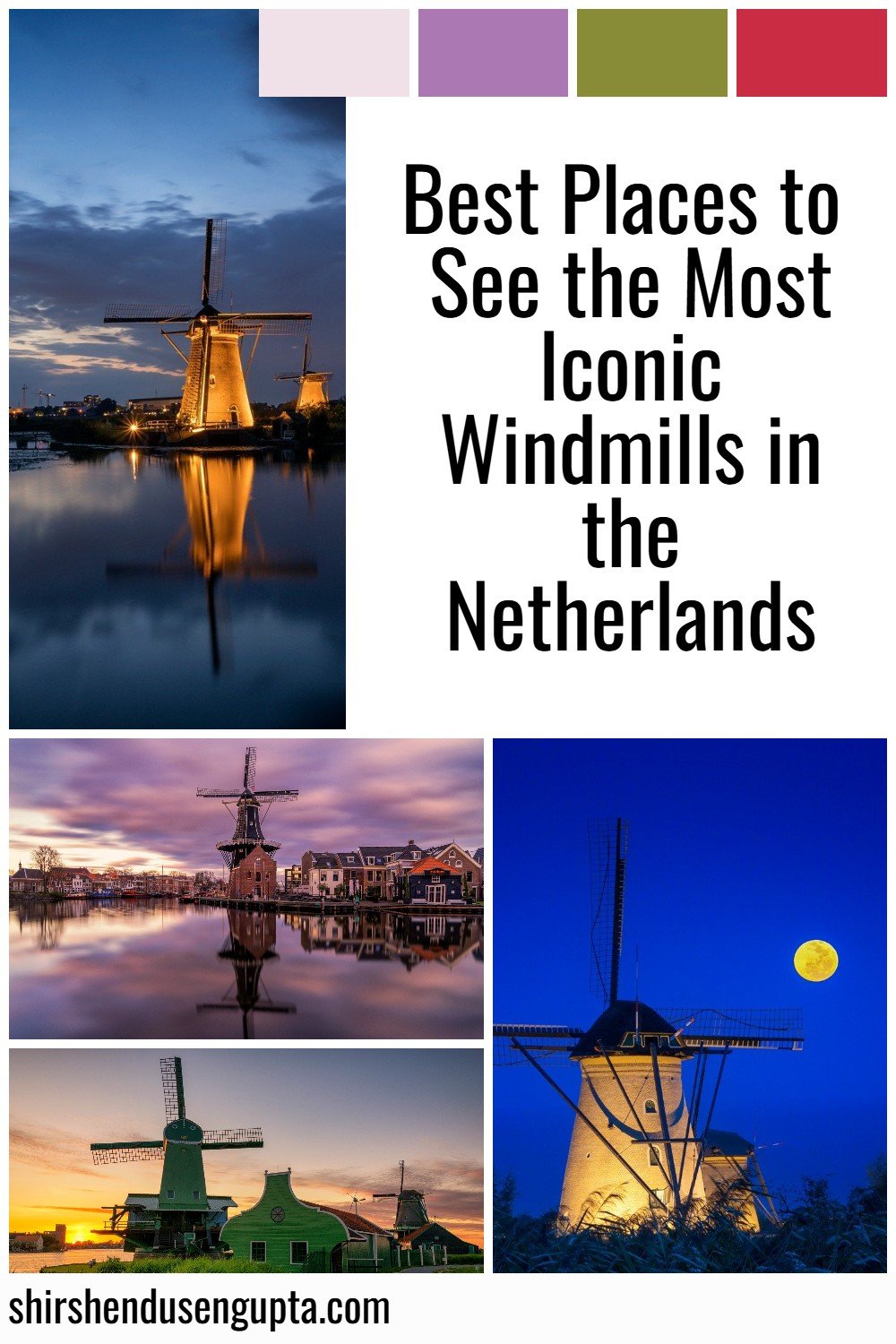
12 Best Places to See the Most Iconic Windmills in the Netherlands | 12 Most Famous Dutch Windmills | Visit The Most Beautiful Windmills of Holland
Many nations have windmills, but the Netherlands has so many of them and they are such a significant part of the nation's industrial and cultural legacy that many people throughout the world associate windmills with the country. From the Middle Ages onward, windmills have been a defining feature of the Dutch countryside. In the heyday of the windmills during the 19th century, there were roughly 9,000 windmills in the country. Even though the Industrial Revolution replaced windmills with steam, diesel, and later electricity, over 1,000 antique windmills, many of which are still operational, still stand throughout the Netherlands thanks to historic preservation initiatives. Today, along with cheese, tulips, and clogs, they are among the most well-known images of Holland. For this reason, visiting a windmill has to be at the top of your travel itinerary when visiting the Netherlands.
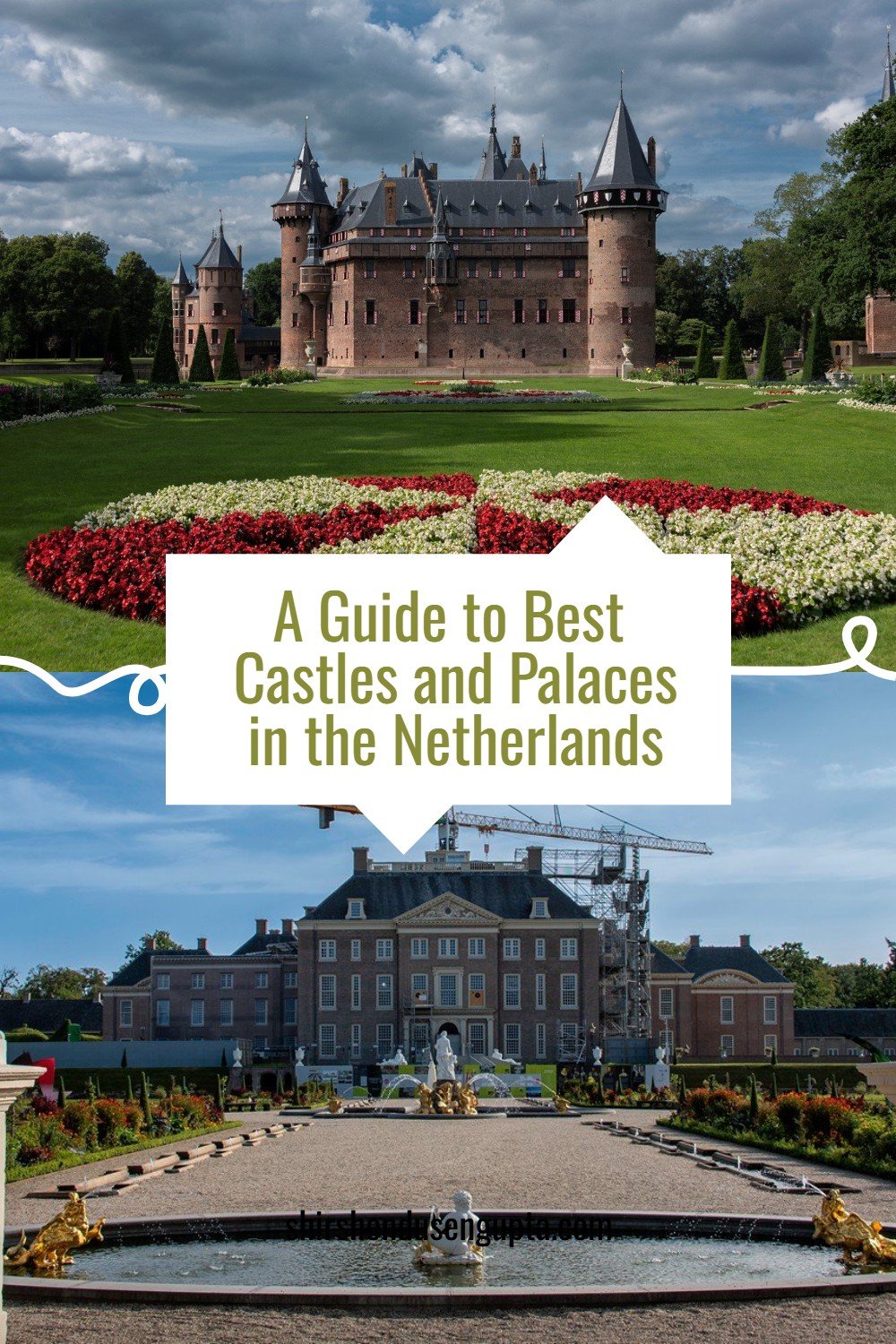
A Guide to 9 Best Castles and Palaces in the Netherlands | Top 9 Most Beautiful Castles and Palaces in the Netherlands to Visit
A vast ocean of endless tulip fields, medieval windmills, charming canals, modern bicycle lanes, and postcard-perfect countryside - these are the images that appear in our minds when we think of the Netherlands. However, we tend to forget that the Netherlands also has its fair share of castles and palaces thanks to the royal families and nobilities who shaped the rich history of the country over the ages. Many of these were built during the medieval times either as defensive structures or luxury residences. Over the years, the purpose of these castles and palaces has changed, and today, they’ve turned into government offices, museums, and tourist attractions, where visitors come to admire the architecture, art collections, and gardens.
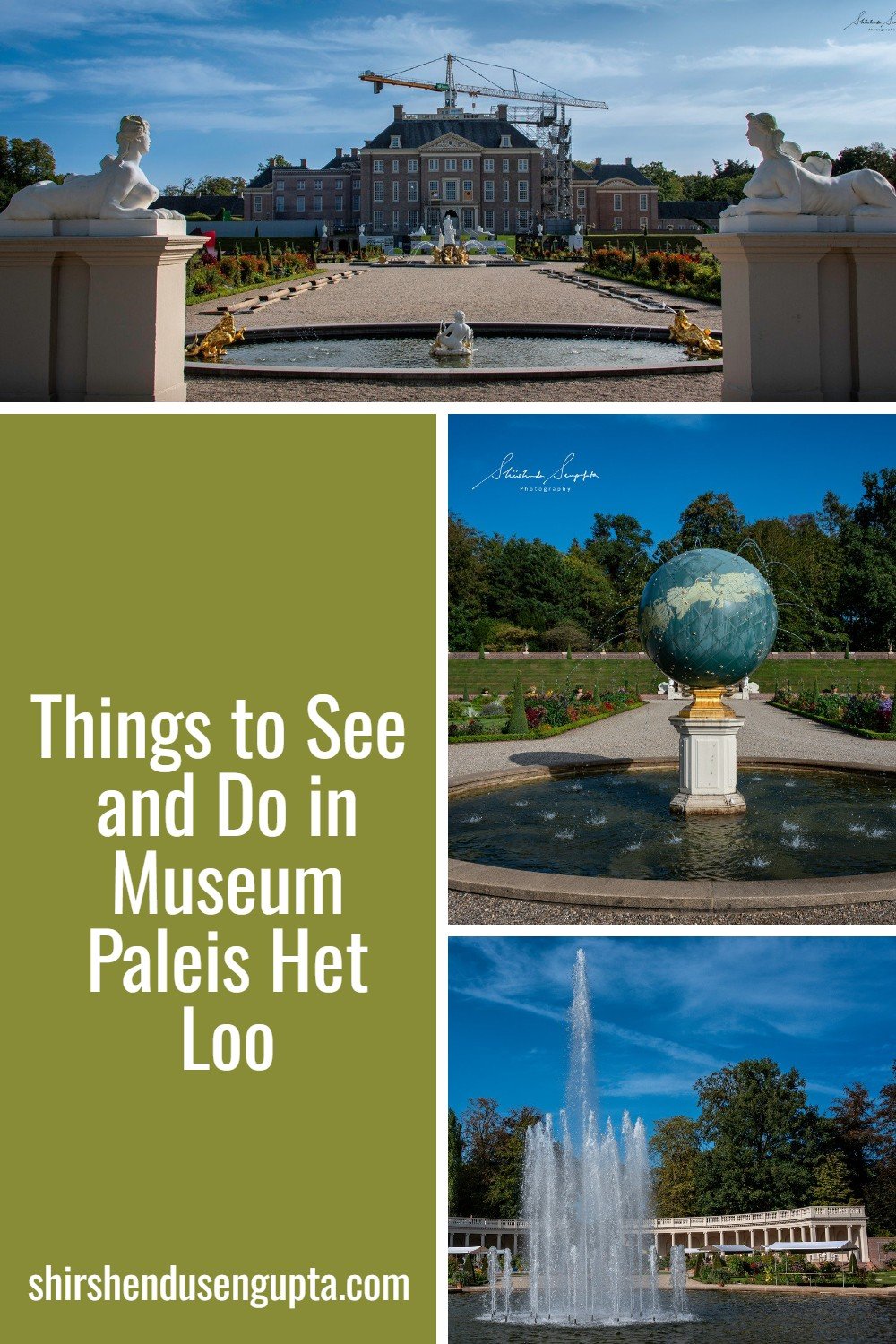
12 Things to See and Do in Museum Paleis Het Loo | All You Need to Know Before Visiting Het Loo Palace, Apeldoorn, the Netherlands
At first glimpse, the Dutch royal family’s Versailles-like handsome baroque summer palace of ‘Het Loo’ (meaning “clearing in the woods”) seems just as it was when it was built during the 17th century in the middle of the woodlands of Apeldoorn, in the province of Gelderland in the Netherlands. But 10 meters underneath the courtyard, an injection of engineering expertise spanning 5,000 square meters and costing €171m has created an extraordinary underground Spanish Macael marble museum that showcases the history of the House of Orange.
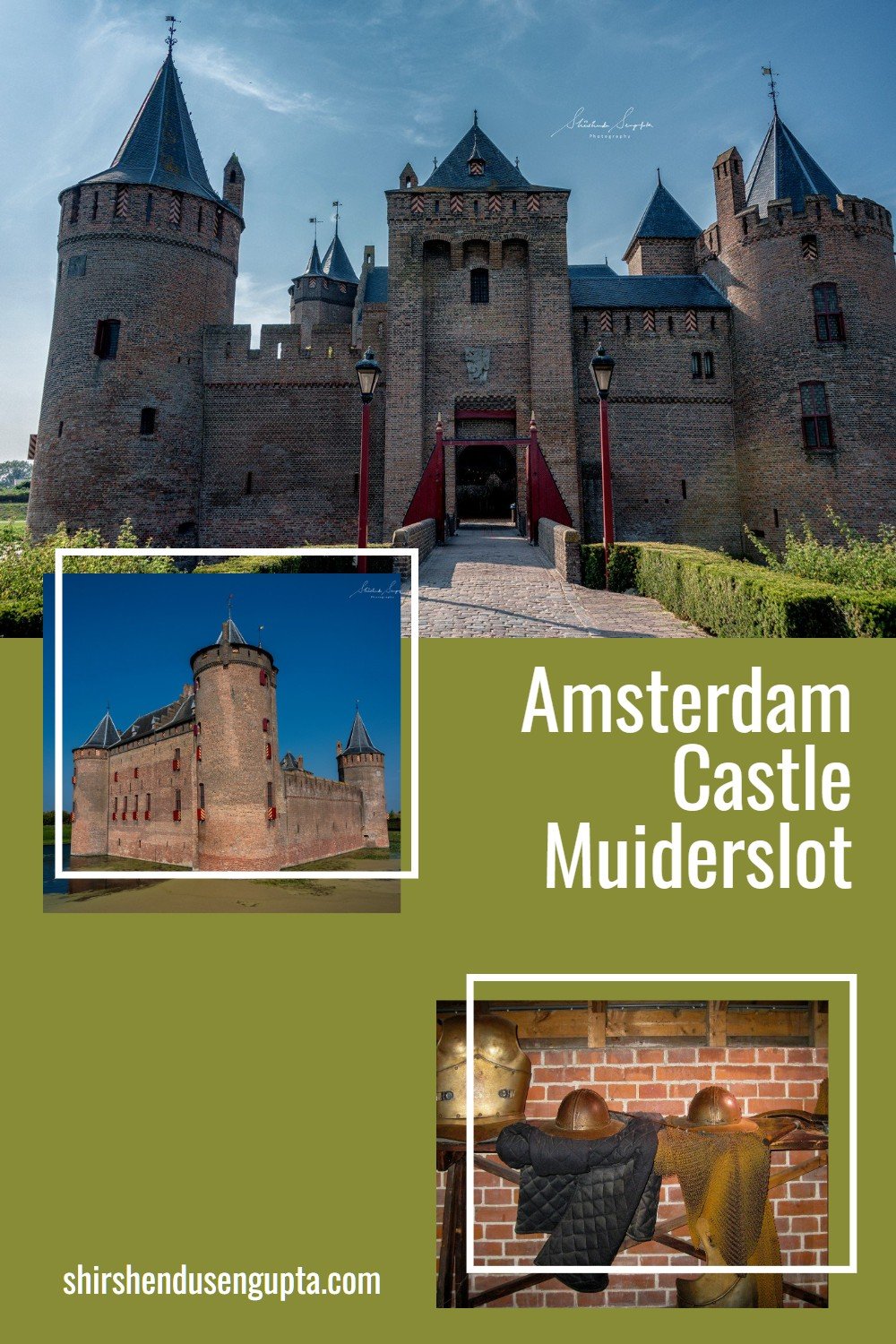
Rijksmuseum Kasteel Muiderslot | Amsterdam Castle Muiderslot | Muiden Castle, the Netherlands
Muiderslot (or Muiden Castle) is the Netherlands's oldest and best-preserved medieval castle. One of the most well-known castles in the Netherlands, it has appeared in numerous Middle Ages-themed television programs. Situated at the mouth of the Vecht River in Muiden, where it flows into the IJsselmeer Lake that used to be the Zuiderzee, the castle has a lengthy and stormy history. It was completed in 1285 by Count Floris V. The eminent author, poet, and historian PC Hooft resided there in the 17th century. It’s a fantastic place to spend a day with your family exploring the castle and the surrounding grounds that host a restored plum orchard, vegetable, and herb garden!
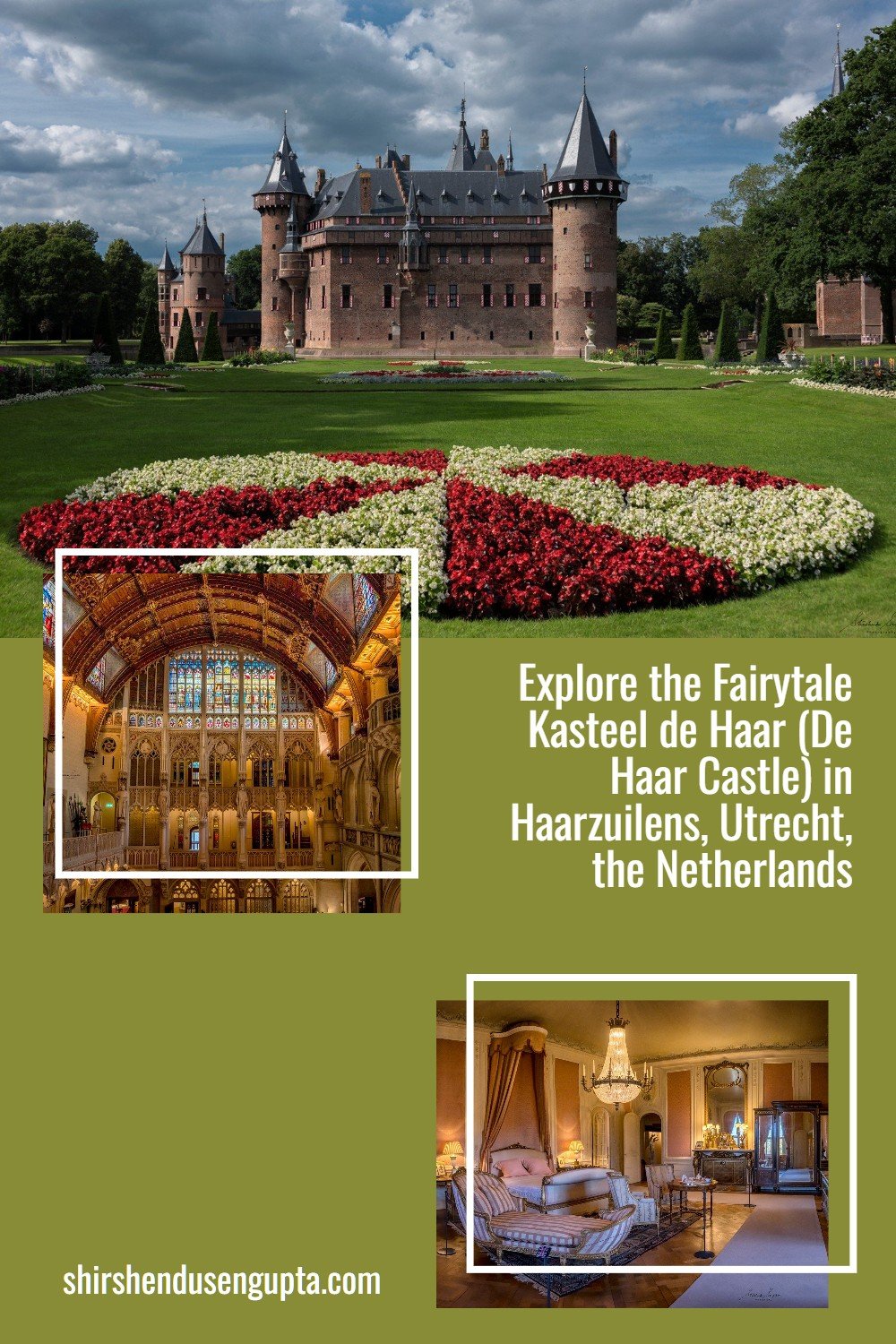
Explore the Fairytale Kasteel de Haar (De Haar Castle) in Haarzuilens, Utrecht | Day Trip from Amsterdam to the Largest Castle in the Netherlands
If Gregory Peck got lost trying to find the bathroom just next to his bedroom on his first visit to Kasteel de Haar in 1960, you know there must be something special about this castle. To be honest, most apartments in central Amsterdam are smaller than the average bathroom in this medieval castle. And with ornate furnishings across the rooms, corridors, and bathrooms, it’s easy to imagine that it may have been quite tedious for him to find the switch of the light, especially in the dark!
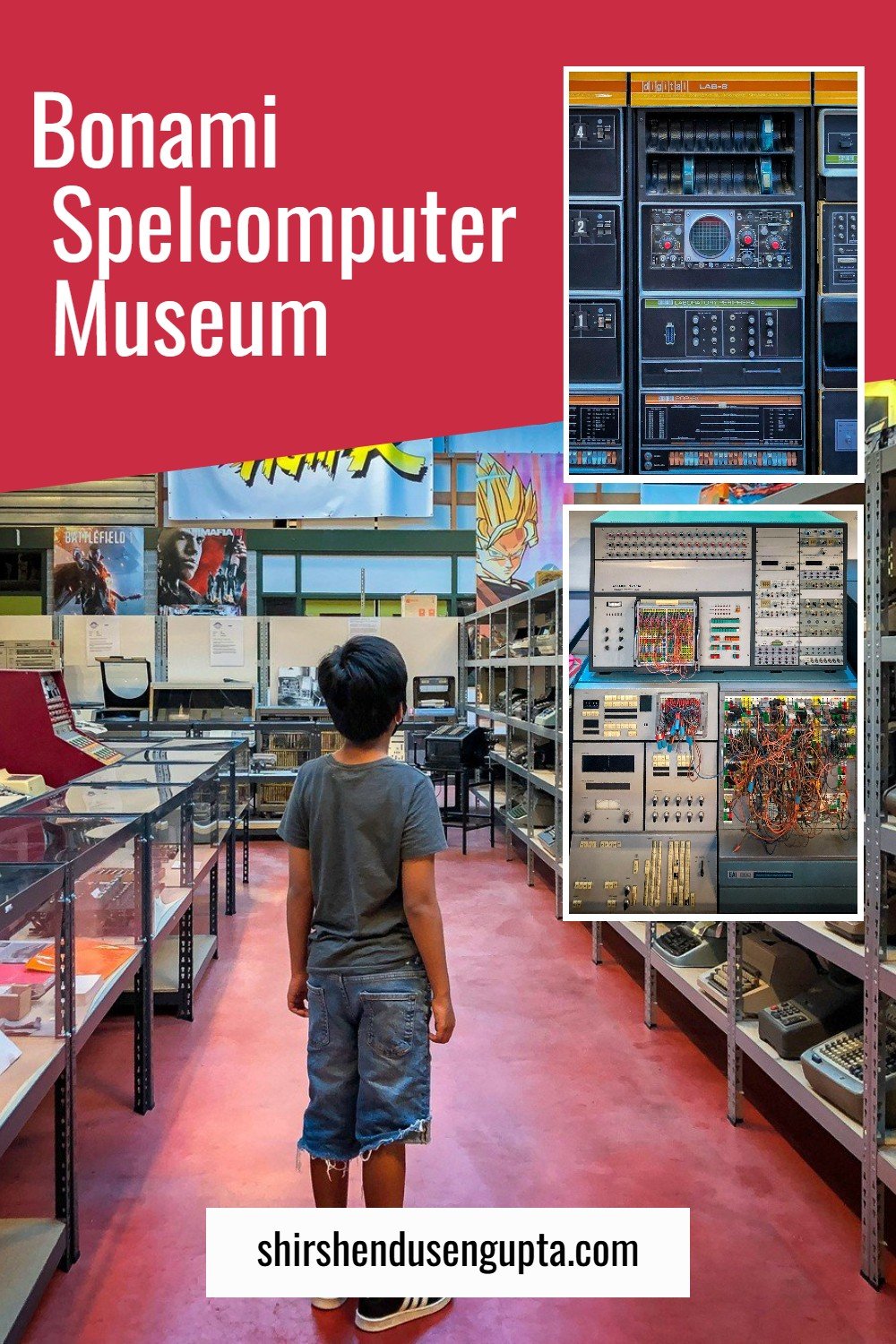
Bonami Spelcomputer Museum | Bonami Games and Computer Museum in Zwolle, the Netherlands
Dubbed as the ‘Nerd’s Paradise,’ the interactive Bonami SpelComputer Museum in Zwolle dedicated to the history of gaming and computers, houses the largest collection of game consoles and computers in the Netherlands starting from the 1950s along with a huge amount of boxed video game floppies, CDs, DVDs, merchandise products, and collector items to admire.
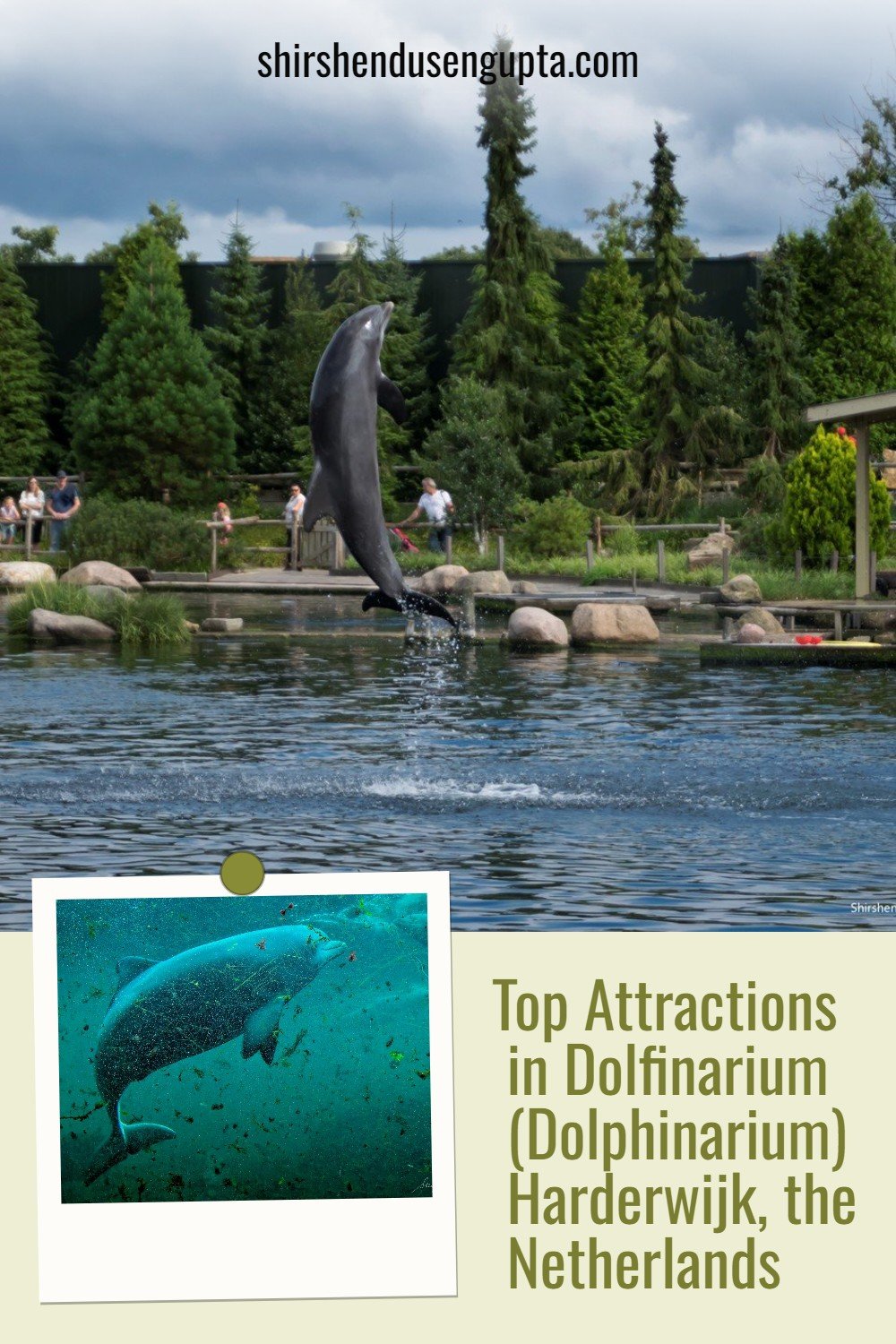
Top 10 Attractions in Dolfinarium (Dolphinarium) Harderwijk, the Netherlands | Largest Marine Mammal Animal Park in Europe | All You Need to Know Before You Go
Dolfinarium Harderwijk in the Netherlands is the largest marine mammal park in Europe that interactively brings humans and nature closer together. Here, you can see charming bottlenose dolphins, naughty porpoises, enormous walruses, roaring sea lions, and stumbling seals performing up close in a variety of shows. You can even get to pet some sharks and rays! It also features 4 fantastic playgrounds and the magnificent water park ‘Waterpret.’ Today, around 600,000 people visit Dolfinarium every year.
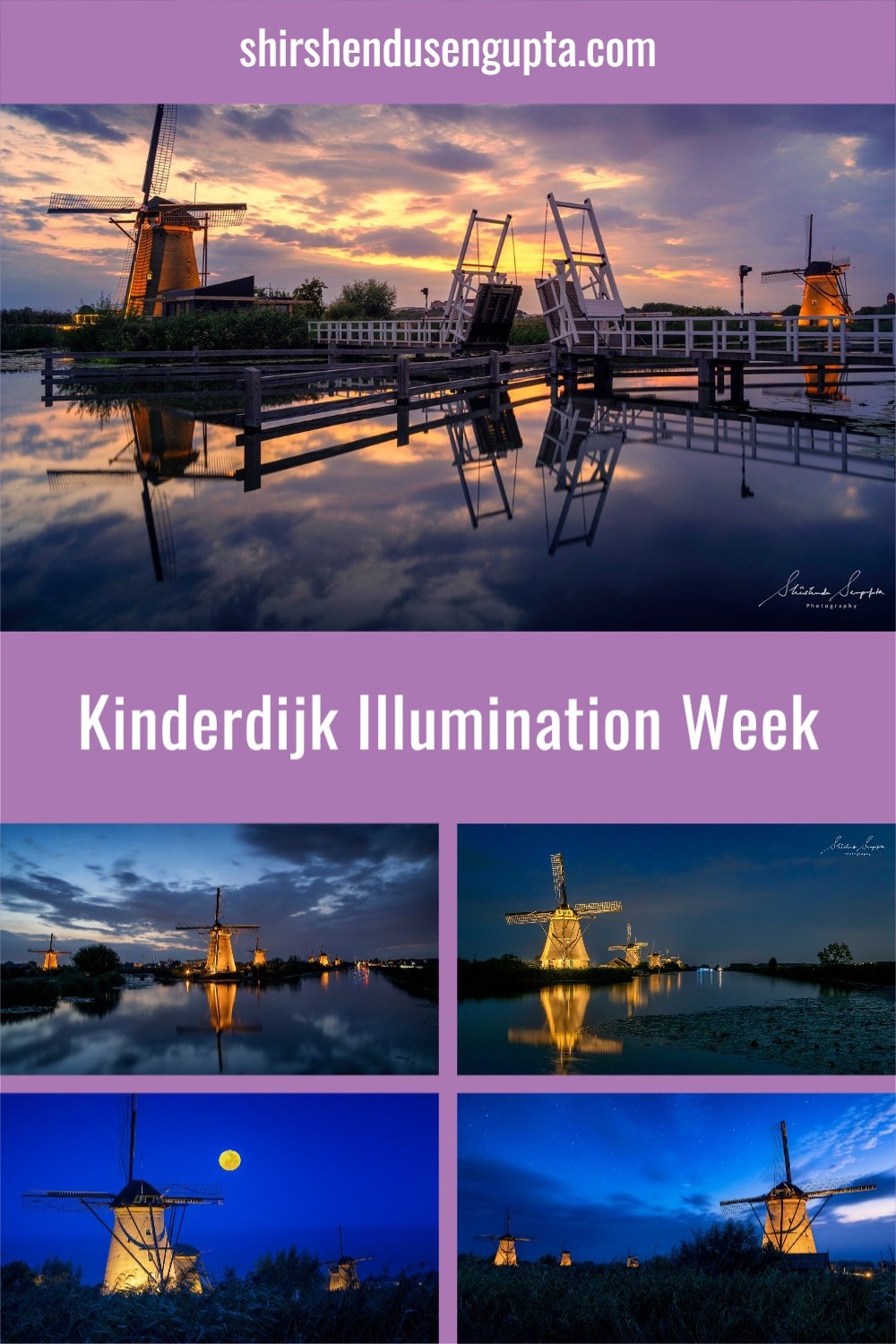
8 Best Activities during Illumination Week Event 2026 at UNESCO World Heritage Windmills of Kinderdijk | 8 Beste Activiteiten tijdens Kinderdijk Verlichtingsweek Evenement 2026
The UNESCO World Heritage Windmills of Kinderdijk shine like bright beacons against the dark evening skies during Illumination Week (which happens every year around the first or second week of September), when they literally shine a spotlight on each of the nineteen mills. This is a once-in-a-lifetime opportunity for photographers looking for truly unique photographs. This year it will even be the 50th edition. During this week you can follow various workshops, visit windmills and go on a boat tour.
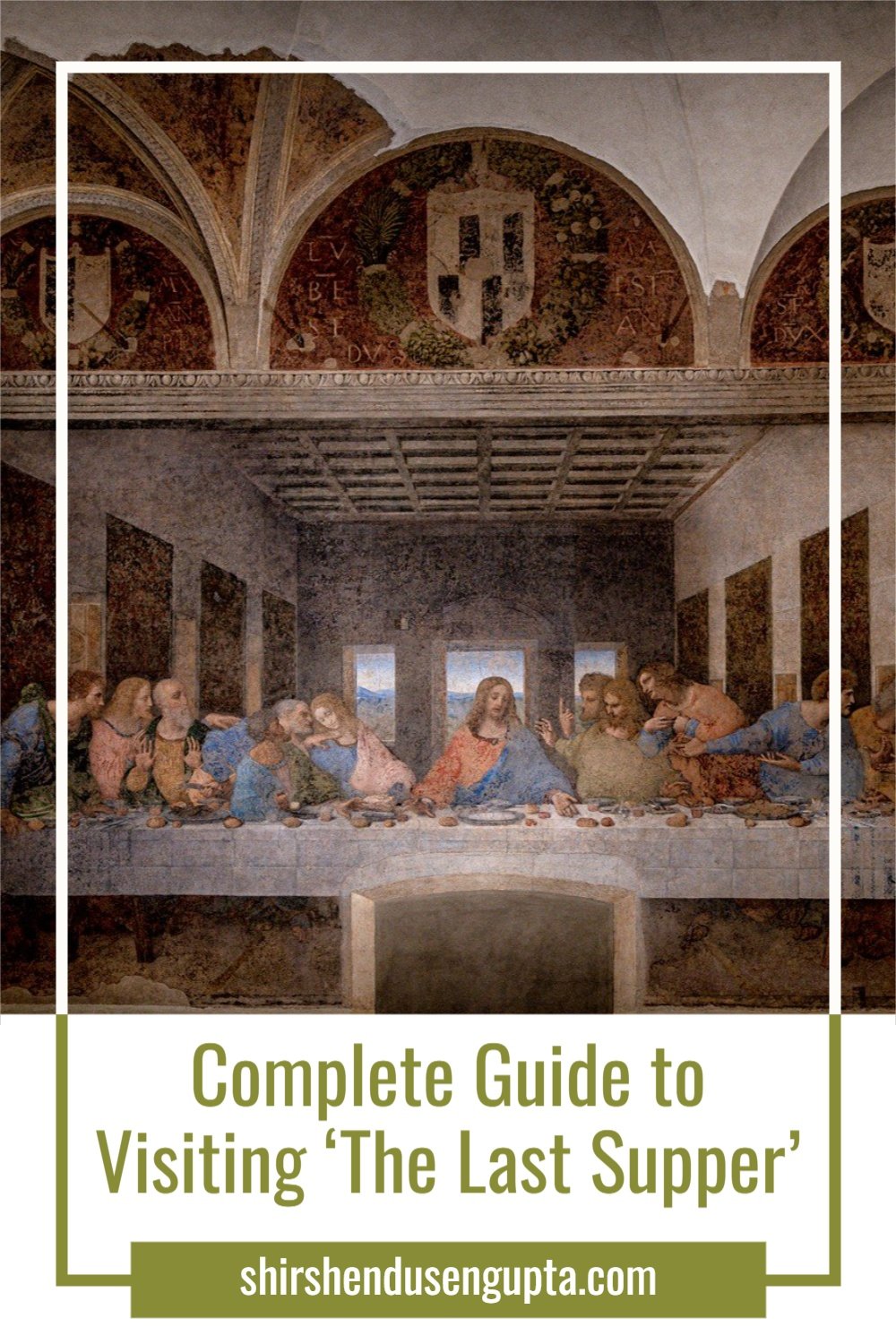
Complete Guide to Visiting Leonardo da Vinci’s ‘The Last Supper’ at Santa Maria Delle Grazie Church in Milan, Italy | Everything You Need to Know to Visit ‘The Last Supper’ | Info, Tips, and Tricks
‘The Last Supper’ by Leonardo da Vinci (Cenacolo Vinciano in Italian) is one of the most well-known paintings in the entire world. This piece of art was commissioned by Ludovico Sforza, Duke of Milan, and created by Da Vinci between 1494 and 1498, depicting Jesus and his disciples having their final meal, on an interior wall of the Santa Maria Delle Grazie church, a UNESCO World Heritage site, in Milan, Italy.
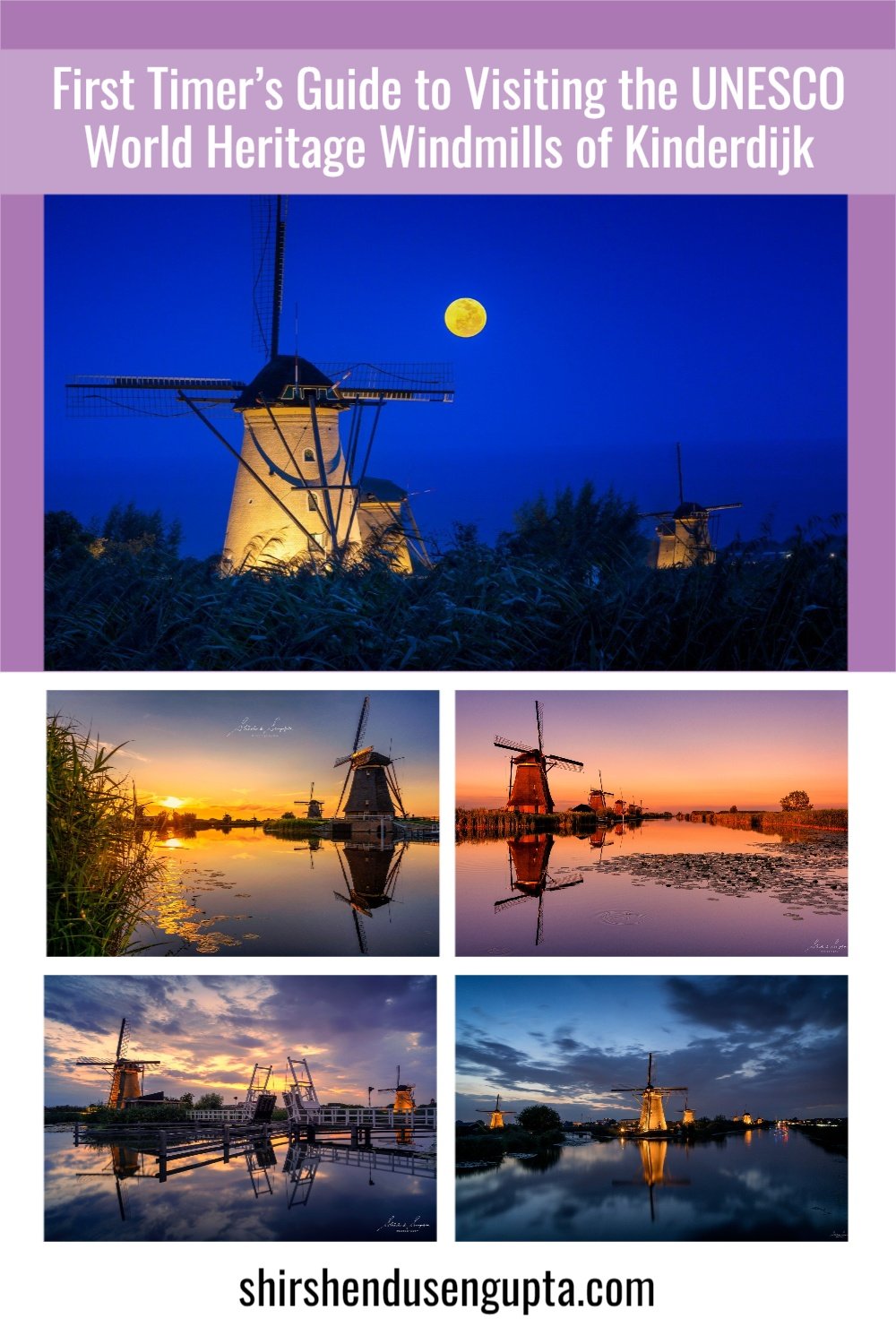
First Timer’s Guide to Visiting the UNESCO World Heritage Windmills of Kinderdijk | Tips on the Best Things to See and Do on a First Time Day Trip to Kinderdijk
In the gorgeous wetlands around Dordrecht, 25 kilometers east of Rotterdam, stands nineteen historic windmills, constructed between 1738 and 1740. The windmills of Kinderdijk were built to pump water out of the low-lying Alblasserwaard polder situated at the confluence of the Lek and Noord rivers, thereby preventing floods in the region. Today, they symbolize centuries-old Dutch engineering for water management. In 1997, they were included in the list of UNESCO World Heritage sites. The Windmills of Kinderdijk are one of the most photographed places in the Netherlands.
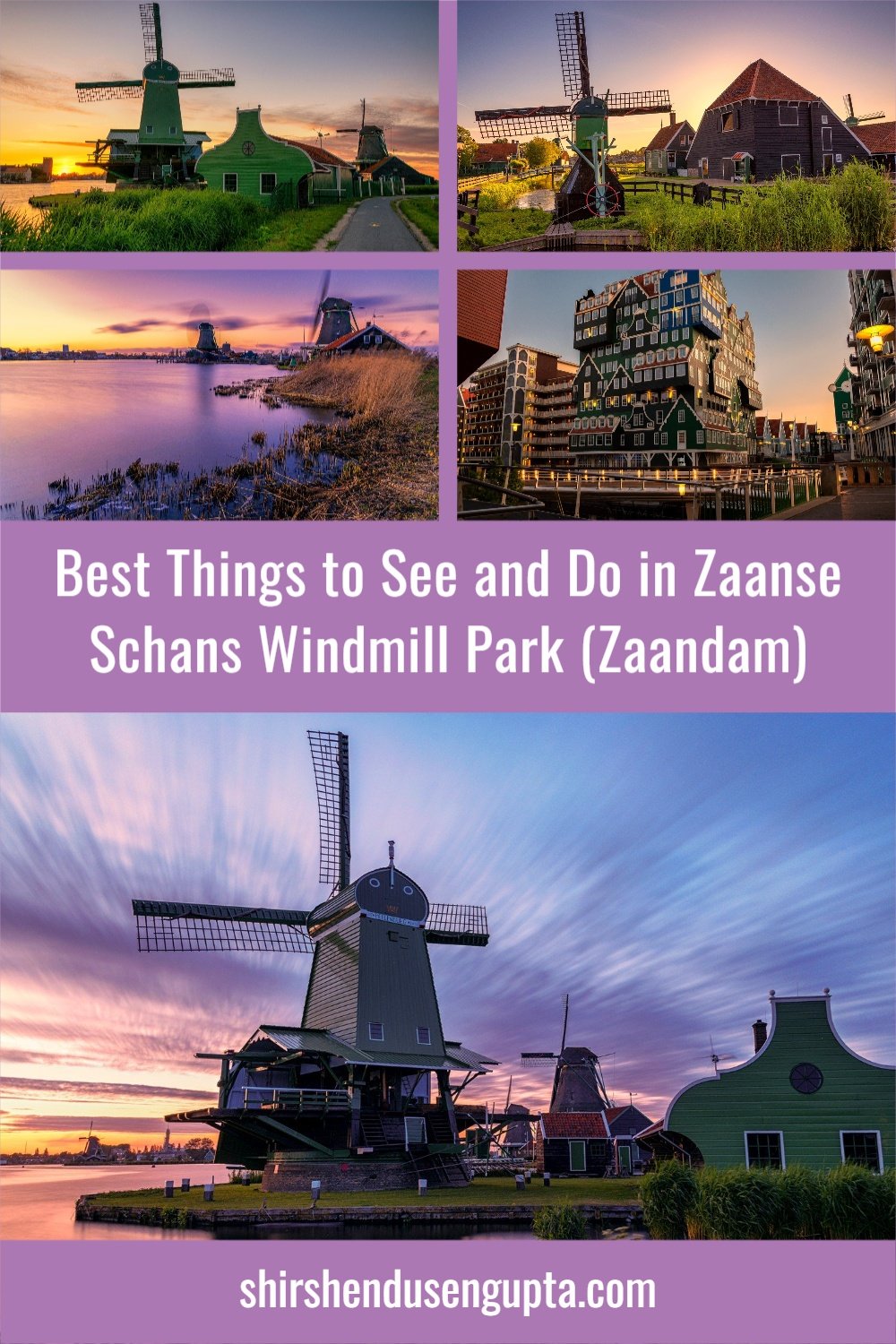
9 Best Things to See and Do in Zaanse Schans Windmill Park (Zaandam) | All You Need to Know to Visit Zaanse Schans (Zaandam) on a Day Trip from Amsterdam, the Netherlands
The Zaanse Schans is a small Dutch village on the Zaan river 20 km north of Amsterdam, in the neighborhood of Zaandam. It has an open-air museum feel that offers a peek into the Dutch life of the golden ages with its traditional wood houses, vibrant windmills, and workshops. The Zaanse Schans draws in almost a million visitors each year, and it's one of the Netherlands' best-loved destinations. Together with the neighboring city of Zaandam, famous for its wooden Zaan-style houses, it is a must-visit destination when you’re in the Netherlands.