
Pilgrimage to the Sanctuary of Rocamadour | 23 Top Attractions, Places to Visit, Things to See, and Do in Rocamadour, France
Prologue
During a memorable Easter, we set out on an epic adventure Where Europe Meets Africa | 7000 km Road Trip from the Netherlands to Morocco through Wine Roads, Holy Sites, and Clifftop Towns of France, Spain, and Gibraltar | Itinerary, Tips, and Tricks. What started as a casual idea soon unfolded into one of the most memorable experiences of our lifetime. Along the way, we wandered through medieval villages, sipped wine in quiet French vineyards, stood in awe at ancient cathedrals and abbeys, drove along coastal cliffs, and watched the cultures of Europe slowly melt into the soulful rhythms of Morocco.
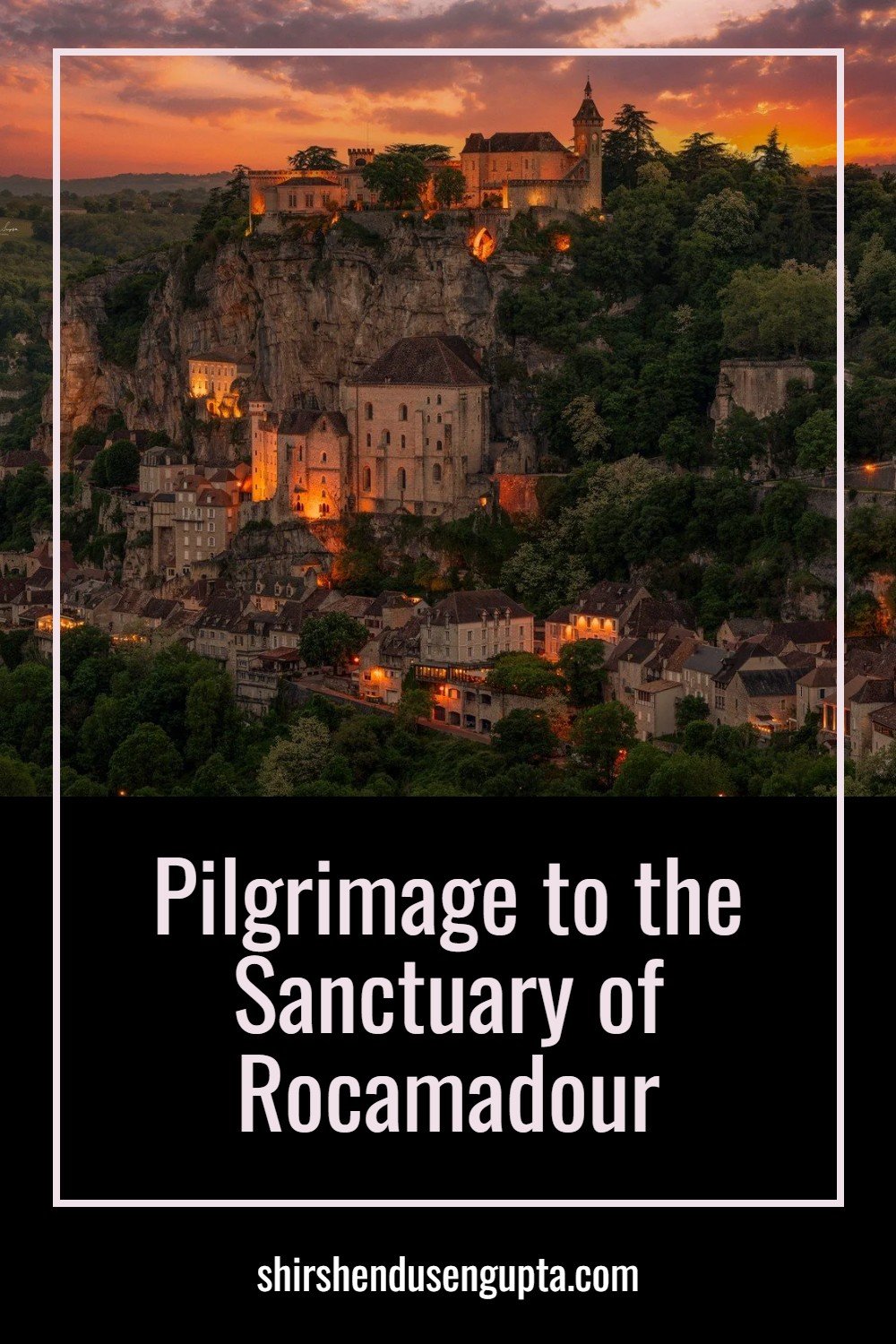
Along the way, perched dramatically above the Alzou canyon, we found Rocamadour, a vertical village of honey-colored stone, sacred silence, and staggering devotion. Built into a sheer limestone cliff, its sanctuaries, stairways, and battlements seemed to defy gravity itself. Pilgrims have climbed these heights for centuries, drawn by the legendary Black Virgin, seeking miracles, forgiveness, and meaning. Standing there, surrounded by bells, candles, and wind-carved rock, we felt the same quiet pull. So, based on our experience, today I am going to take you along on a deeply moving journey through the 23 top attractions, places to visit, and things to see and do in Rocamadour. Let the pilgrimage begin.
Welcome to Rocamadour
Rocamadour is one of France’s most extraordinary pilgrimage destinations, suspended between earth and sky in the Dordogne Valley. Its history stretches back to the early Middle Ages, when the hermit Amadour chose this cliff as a place of devotion. By the 12th century, Rocamadour had become a critical stop on the pilgrimage route to Santiago de Compostela (the final destination of the Camino de Santiago, or “Way of St. James,” a major Christian pilgrimage route that has been followed since the Middle Ages), attracting kings, nobles, and ordinary pilgrims alike. The village flourished through faith, miracles, and the enduring legend of the Black Virgin, surviving wars, revolutions, and time itself with remarkable resilience.
What makes Rocamadour unique is its dramatic vertical layout, organized across three distinct levels. The upper level crowns the cliff, offering sweeping panoramic viewpoints and the formidable château (castle). The middle level forms the spiritual heart, where the Sanctuary of Notre-Dame gathers chapels, basilica, crypt, and tomb within a sacred square. The lower level rests quietly along the river, a medieval village of cobbled streets and stone houses. Together, these three layers create a powerful ascent, both physical and spiritual, that defines every visit to Rocamadour.
The Story of Saint Amadour: The Legendary Hermit of Rocamadour
The story of Saint Amadour lies at the heart of Rocamadour’s spiritual and historical identity. In 1166, an ancient tomb was discovered near the entrance to the Notre-Dame chapel in Rocamadour, containing an incorrupt unidentified body. Popular piety gave him the name Amator, meaning “lover” or “friend of God.” Over the years, legend identified him with Zacchaeus from the Gospel of Luke.
In the Gospel of Luke, Zacchaeus was a tax collector in Jericho (Palestine), widely despised as a traitor for serving the Roman Empire instead of his own Jewish community. One day, as Jesus passed through Jericho on his way to Jerusalem, Zacchaeus, being of small stature, could not see over the crowd. Determined, he ran ahead and climbed a sycamore tree along Jesus’ path. When Jesus reached the spot, he looked up, called Zacchaeus by name, and told him to come down, saying he would stay at his house. The crowd was astonished that a revered teacher and prophet would associate so closely with a sinner. Zacchaeus’ encounter with Jesus led to his transformation, inspiring repentance and a commitment to righteous deeds. Medieval storytellers later identified Saint Amadour with Zacchaeus and, in some accounts, portrayed him as the husband of Saint Veronica, renowned in Christian lore for wiping Jesus’ face on the way to the Crucifixion, blending biblical narrative with the legendary origins of Rocamadour as a pilgrimage site.
According to tradition, Saint Amadour and Saint Veronica fled Roman persecution as early Christians in Palestine, setting out in a fragile skiff guided by an angel to the coast of Aquitaine, a historical region in southwestern France, along the Atlantic coast, near modern-day Bordeaux. There, they met Bishop Saint Martial, who was spreading Christianity in southwestern Gaul. After a pilgrimage to Rome, where Amadour witnessed the martyrdoms of Saints Peter and Paul, he returned to France. Following the death of his wife, he withdrew to a remote cliffside location and built a chapel in honor of the Blessed Virgin, where he eventually died, and his incorrupt body was later found in 1166. His tomb, the Tombeau de Saint Amadour, became a focus of veneration, drawing pilgrims seeking blessings and miracles, while the nearby Crypte Saint-Amadour serves as a commemorative space. The story of Saint Amadour interweaves legend, devotion, and history, establishing Rocamadour as one of France’s most remarkable and enduring pilgrimage destinations.
23 Best Things to See and Do in Rocamadour
Upper Level: Panoramic Viewpoints and Château
Panoramic Viewpoints
Start your day by walking from your accommodation (assuming you are staying at one of the hotels on the upper level) to the panoramic viewpoints of Rocamadour, namely Mirador Belvedere du Site (44.8036, 1.6269), Point d’eau (44.8042, 1.6218), and Le Coin du Photographe (44.8025, 1.6196). These viewpoints introduce the village’s dramatic setting and reflect centuries of pilgrimage, contemplation, and human adaptation to the cliffside landscape. Historically, pilgrims paused along these paths to prepare mentally and spiritually for the ascent ahead. Walking between viewpoints encourages a slow, reflective rhythm, echoing the devotional journeys of the past. The experience allows visitors to absorb Rocamadour’s layered history, appreciate its harmony with nature, and understand why it became one of medieval France’s most revered pilgrimage destinations.
View of L’Hospitalet village, where we stayed, from one of the panoramic viewpoints
Château de Rocamadour and Castle Ramparts
Walking along the panoramic viewpoints, you eventually reach the Château de Rocamadour, which crowns the cliff above the sanctuaries and represents centuries of combined military and religious authority. If you prefer not to walk the full distance, you can also drive directly to Parking P2 Ascenseurs - Château, located right next to the château, providing easy access to both the fortress and the nearby panoramic viewpoints.
Constructed in the 12th century, the château was initially designed to defend the village from external threats while overseeing the flow of pilgrims below. The château’s ramparts offer a rare combination of history and panoramic beauty, with terraces that provide sweeping views of the Alzou Valley and the clustered sanctuaries. Inside, the fortress retains medieval architectural elements such as thick stone walls, arrow slits, and watchtowers, illustrating both defense strategies and craftsmanship of the time. The castle also served as an administrative center, managing the pilgrim trade and donations received by the sanctuary. Walking along its fortified walls, visitors can imagine knights stationed here, observing the valley and preparing for potential invasions.
Today, it stands as a symbol of Rocamadour’s enduring resilience, bridging the sacred and secular. The château’s integration with the cliff itself demonstrates the medieval understanding of terrain for defense, while also enhancing the village’s dramatic skyline. Every stone tells a story of protection, devotion, and architectural ingenuity, making it an essential destination for both history enthusiasts and casual travelers.
Walk Down the Way of the Cross (Chemin de Croix)
After visiting the château, there are two ways to reach the sanctuaries at the middle level. You can take the elevator Ascenseur de Rocamadour, conveniently located next to Parking P2 Ascenseurs - Château, or you can walk down the historic Chemin de Croix, also known as the Way of the Cross. While the elevator offers speed and comfort, we strongly recommend descending on foot via the Chemin de Croix to fully experience the spiritual and historical essence of Rocamadour. This path allows you to follow the same route taken by medieval pilgrims, combining reflection with dramatic views of the cliffside sanctuaries. After exploring the middle level and lower levels, taking the elevator back up provides a comfortable and efficient return, making this combination the most rewarding way to experience Rocamadour’s vertical journey.
To us, descending the Chemin de Croix is one of Rocamadour’s most contemplative experiences. This steep pathway, marked by 14 stations representing Christ’s Passion, has guided pilgrims for centuries. Medieval visitors often walked barefoot, reflecting on penance, devotion, and personal sacrifices. Each station features small shrines and plaques that narrate the biblical story, blending spiritual reflection with historical art. The path winds through the cliffside, gradually bringing travelers closer to the sanctuary. Pilgrims believed that completing the descent would cleanse sins, while also physically preparing them for the sanctuaries’ spiritual experience.
Today, walking the Chemin de Croix is still a journey of reflection, offering moments of silence amidst the sounds of the village and birds overhead. The pathway itself showcases the medieval integration of religious purpose and natural topography, carved to align with the cliff’s contours. Descending the Way of the Cross, visitors gain both a physical and metaphorical understanding of Rocamadour’s vertical sacred geography, culminating at the Sanctuaire Notre-Dame, where centuries of devotion converge. The experience remains deeply moving, connecting modern travelers with medieval pilgrims who climbed these same stones in faith and humility.
Middle Level: Sanctuaire Notre-Dame de Rocamadour - 6 chapels, 1 crypt (sometimes counted as the 7th chapel), 1 basilica, 1 tomb
Place des Sanctuaires Square
Walking via the Chemin de Croix, when you arrive at the middle level, you encounter the Place des Sanctuaires, which serves as the spiritual and social heart of Rocamadour’s pilgrimage experience. Surrounded by 6 chapels, 1 crypt (sometimes counted as the 7th chapel), 1 basilica, and 1 tomb, it has been a gathering place for pilgrims since the 12th century. The square was originally constructed to accommodate crowds during feast days, religious ceremonies, and market events associated with pilgrimages. Its open space allows for reflection, congregation, and procession, providing a visual and spiritual overview of the surrounding sacred structures. Pilgrims would often pause here to pray, light candles, or receive blessings before continuing their ascent or descent.
Today, the square remains vibrant, offering visitors a sense of the historical flow of devotion, as well as a vantage point to admire the intricate architecture of the chapels and basilica. Surrounded by stone walls carved directly into the cliff, the square combines natural and constructed elements, emphasizing Rocamadour’s unique vertical integration. The Place des Sanctuaires encapsulates centuries of faith, communal gathering, and architectural ingenuity, making it a vital starting point for exploring the Sanctuary of Notre-Dame. Its presence demonstrates how a medieval pilgrimage site could balance crowd management, spiritual focus, and aesthetic beauty, all within a compact and vertical environment.
Chapel 1: Chapelle Notre-Dame – Black Virgin (Vierge Noire)
The Chapelle Notre-Dame, home to the revered Black Virgin, is the most sacred chapel of the Rocamadour sanctuary. Dating back to the 12th century, it has attracted pilgrims seeking miracles, protection, and healing for centuries. The statue of the Black Virgin, carved from walnut and darkened by centuries of candle smoke, represents a fusion of Marian devotion and local legend. Medieval pilgrims believed that touching or praying before the statue could grant divine favor, and countless ex-votos and inscriptions still testify to historical acts of faith. The chapel’s architecture reflects Romanesque design, harmoniously built into the cliff, with simple stone arches and narrow windows that focus attention on the sacred statue.
Over time, the chapel has undergone restorations while preserving its historical character, ensuring that modern visitors can experience the profound sense of reverence felt by generations of pilgrims. The combination of natural rock and sacred art amplifies spiritual energy, making the chapel a highlight for visitors seeking both historical insight and a connection to centuries-old devotion.
Chapel 2: Chapelle Saint-Blaise
The Chapelle Saint-Blaise is a small but historically significant chapel within the Sanctuary of Notre-Dame. Dedicated to Saint Blaise, protector against throat ailments, it was constructed in the 12th century to serve pilgrims who sought both spiritual and physical healing. Medieval records indicate that many visitors left tokens or prayers here, requesting health blessings before continuing their journey. The chapel itself features a modest Romanesque interior with stone walls and small stained-glass windows, designed to focus attention on devotion rather than ornamentation. Its location along the sanctuary’s cliffside emphasizes Rocamadour’s vertical spiritual pathway, linking chapels in a sequence that guides pilgrims from entry to the most sacred spaces.
Today, visitors can still experience the quiet intimacy that medieval pilgrims felt, walking along the same stone floors and observing centuries-old inscriptions. Chapelle Saint-Blaise represents the harmonious integration of faith, function, and architecture, reflecting the broader purpose of Rocamadour as a site of healing, reflection, and sustained devotion throughout the centuries.
Chapel 3: Chapelle Saint-Jean-Baptiste
The Chapelle Saint-Jean-Baptiste, dedicated to Saint John the Baptist, forms another essential component of the Sanctuary of Notre-Dame. Built in the 12th century, it served both as a spiritual waypoint for pilgrims and as a site of local veneration. The chapel’s stone architecture blends seamlessly into the cliff, with an interior that emphasizes solemnity and contemplation. Historically, baptismal rituals and small pilgrim gatherings were held here, making it a site of ritual importance in addition to devotional significance. Frescoes and carvings inside reflect Romanesque motifs, including symbolic representations of John the Baptist’s life, emphasizing themes of renewal and preparation for spiritual ascent. Pilgrims ascending Rocamadour would often pause here to pray, reflecting on their faith and the physical effort of the climb.
Today, visitors experience both the artistic beauty and historical devotion preserved within the chapel. Its presence highlights how Rocamadour’s sanctuary was meticulously designed to guide pilgrims along a spiritual journey, integrating chapels, basilica, and crypt into a vertical continuum of faith, history, and reflection.
Chapel 4: Chapelle Sainte-Anne
The Chapelle Sainte-Anne is dedicated to Saint Anne, the mother of the Virgin Mary, and has long been associated with family devotion and maternal protection. Constructed during the medieval expansion of the sanctuary, this chapel reflects the growing importance of Marian lineage in Christian worship during the 12th and 13th centuries. Pilgrims, especially women and families, traditionally prayed here for fertility, safe childbirth, and the well-being of children. Architecturally, the chapel is modest, with a Romanesque structure that blends seamlessly into the cliffside, using local stone and restrained decorative elements. The simplicity of the space enhances its contemplative nature, encouraging quiet prayer rather than spectacle. Over centuries, the chapel has survived periods of neglect and restoration, yet it continues to retain its original devotional atmosphere.
Visiting Chapelle Sainte-Anne today offers insight into the personal dimensions of medieval pilgrimage, where faith was deeply intertwined with everyday hopes and fears. The chapel stands as a reminder that Rocamadour was not only a site of grand miracles and royal patronage, but also a place of intimate, human prayer rooted in family and continuity.
Chapel 5: Chapelle Saint-Michel
Carved directly into the limestone cliff, the Chapelle Saint-Michel is one of the most dramatic and symbolically powerful chapels within the Sanctuary of Notre-Dame de Rocamadour. Dedicated to Saint Michael the Archangel, defender against evil and guardian of souls, the chapel reflects medieval beliefs in protection, judgment, and spiritual strength. Its location is no coincidence. Suspended high above the sanctuary and integrated into the rock face, it represents vigilance and watchfulness, qualities traditionally associated with Saint Michael. Built beneath a protective rock overhang, the chapel has preserved its thirteenth-century frescoes in exceptional condition. On the lower part of the wall is a faded fresco of Saint Christopher, while above is a representation of the ‘Annunciation and the Visitation.’ We could not enter the chapel since it was closed for renovation when we visited.
Medieval pilgrims regarded this chapel as a place of safeguarding before continuing their ascent or descent, especially those undertaking long and perilous journeys. Architecturally, the chapel is austere and compact, emphasizing humility and reverence rather than ornamentation. The stone walls, shaped directly from the cliff, blur the boundary between natural formation and sacred construction, reinforcing the idea that faith itself emerges from the landscape. Over centuries, the chapel has remained a quiet place of prayer, largely unchanged despite periods of decline and restoration across Rocamadour. Today, visitors sense a powerful stillness within its walls, a space where geology, devotion, and medieval spirituality converge. Chapelle Saint-Michel stands as a striking example of how Rocamadour transformed a sheer rock face into a layered sanctuary of faith, resilience, and symbolic meaning.
Chapel 6: Chapelle Saint-Louis/Notre-Dame d’Ovalie
The Chapelle Saint-Louis/Notre-Dame d’Ovalie reflects the evolving history of Rocamadour across centuries. Originally dedicated to Saint Louis, King Louis IX of France, the chapel later became associated with Notre-Dame d’Ovalie, symbolizing compassion and protection for travelers and pilgrims. This dual dedication highlights how the sanctuary adapted to changing devotional practices over time. Architecturally, the chapel blends Romanesque foundations with later Gothic influences, visible in its arches and decorative details. Historically, the chapel was used for special masses during pilgrimage festivals and royal commemorations. Its location within the sanctuary reinforces Rocamadour’s role as both a national and spiritual landmark, attracting monarchs, knights, and commoners alike. Today, the chapel continues to host quiet prayer and reflection, offering visitors a layered understanding of faith shaped by political, cultural, and spiritual influences. The Chapelle Saint-Louis and Notre-Dame d’Ovalie stands as a testament to Rocamadour’s ability to evolve while remaining deeply rooted in tradition.
Crypte Saint-Amadour (Sometimes counted as Chapel 7)
The Crypte Saint-Amadour is one of the oldest and most atmospheric spaces within the Sanctuary of Notre-Dame de Rocamadour. It is named in honor of Saint Amadour, but it does not contain his remains (the final resting place of St. Amadour is his tomb, as mentioned below). Carved partially into the cliff beneath the sanctuary complex, it represents the foundational layer of worship that predates the monumental expansion of Rocamadour during the medieval pilgrimage boom. Historically, crypts served as intimate spaces for prayer, memory, and proximity to holiness, especially in sites associated with revered figures. Pilgrims descended into this low, stone-vaulted space seeking silence, humility, and spiritual grounding before approaching the upper sanctuaries. The restrained architecture, thick walls, and subdued light create an atmosphere of introspection, encouraging visitors to slow down and reflect. Over centuries, the crypt has remained largely unchanged, preserving its austere character and symbolic role as the spiritual bedrock of Rocamadour.
Today, visiting the Crypte Saint-Amadour offers insight into how medieval pilgrimage sites layered meaning vertically, with memory and reverence embedded deep within the rock, supporting the sacred structures above. It stands as a powerful reminder that Rocamadour’s spiritual identity was built gradually, from quiet devotion upward toward grandeur.
Basilique Saint-Sauveur
The Basilique Saint-Sauveur is the largest and most architecturally significant structure within the Sanctuary of Notre-Dame de Rocamadour. Constructed between the 11th and 13th centuries, it embodies a harmonious blend of Romanesque solidity and early Gothic verticality, reflecting the evolution of medieval sacred architecture. Anchored directly into the limestone cliff, the basilica dominates the sanctuary complex, both physically and symbolically. It has long served as the ceremonial heart of Rocamadour, hosting major liturgical celebrations, pilgrimage masses, and processions that drew worshippers from across Europe. The basilica’s soaring arches, thick stone pillars, and restrained decorative elements direct attention upward, reinforcing themes of transcendence and divine presence. Historically, its construction marked Rocamadour’s emergence as a major pilgrimage center, capable of accommodating large gatherings while maintaining a solemn atmosphere. Over centuries, the basilica endured periods of decline, restoration, and renewed devotion, yet it has retained its essential character.
Inside the basilica, the grand organ is one of the most striking features, known for its powerful acoustics that fill the stone sanctuary with rich, resonant sound shaped by centuries-old architecture. During our visit, a live organ concert was in progress, and the entire basilica seemed to come alive as deep, layered tones echoed through the vaulted ceilings, creating an atmosphere that felt both intimate and monumental at the same time.
Tombeau de Saint Amadour
The Tombeau de Saint Amadour is the spiritual focal point of Rocamadour and the site most closely associated with the legend that elevated this cliffside sanctuary into a major medieval pilgrimage destination. Tradition holds that the incorrupt body of Saint Amadour was discovered here in the 12th century, an event that sparked widespread devotion and miraculous accounts. The tomb itself is deliberately simple, constructed of bare stone to emphasize humility and spiritual focus. One of the most striking and enduring practices associated with the tomb is the act of throwing coins onto its surface. For centuries, pilgrims have tossed coins as gestures of faith, gratitude, or supplication, believing the act symbolized trust in divine intervention. Medieval visitors often linked the success of their prayers to whether the coin landed and remained on the stone, turning the ritual into a deeply personal moment of hope and anticipation. Over time, these offerings accumulated in significant numbers, reflecting the scale of Rocamadour’s pilgrimage culture.
Today, visitors still quietly throw coins, continuing a tradition that bridges generations. The sound of metal meeting stone is subtle yet powerful, echoing centuries of whispered prayers. This simple act transforms the tomb into a living space of devotion, where belief is expressed through movement, intention, and continuity rather than words alone.
Lower Level: Medieval Village
After visiting the sanctuaries at the middle level, you can either walk down to the lower medieval village or take the elevator, Ascenseur de Rocamadour, for a quicker and easier descent. Walking allows you to experience the village streets gradually and take in the views, while the elevator provides a convenient option for those preferring a less strenuous route.
Porte de Figuier
Stepping out at the lower level after the descent, the Porte de Figuier becomes the natural starting point for exploring the medieval village of Rocamadour. Narrow streets unfold from here, lined with stone houses, small shops, and centuries-old façades that reflect the village’s layered past. The gate, named after fig trees that once grew nearby, opened toward agricultural lands and trade routes. The gate’s construction reflects medieval defensive architecture, designed to protect while allowing controlled access. Today, it offers a quiet exit point, connecting history with the surrounding countryside.
Rue Roland le Preux
Rue Roland le Preux is the main street of the medieval village, stretching through the heart of Rocamadour and lined with stone houses, souvenir shops, and small cafés. Named after a legendary knight associated with Charlemagne, the street reflects both history and folklore. As you walk along its cobbled path, you pass beneath wooden balconies and aged façades that have witnessed centuries of pilgrims and travelers. The atmosphere is lively yet historic, offering a blend of local culture, artisan products, and architectural charm that makes it central to the village experience.
Porte Salmon
The Porte Salmon is the next gate encountered along the route through the lower village of Rocamadour, continuing the sequence of fortified passages that once structured movement within the settlement. Built as part of the village’s defensive system, it reflects a simple yet sturdy stone design intended for control and protection. Walking past it, you sense how the village was once carefully enclosed and organized. Today, it blends quietly into the surroundings, standing as a subtle reminder of Rocamadour’s medieval past and its need for security.
Rue de la Couronnerie
Rue de la Couronnerie is the lively central street that continues the journey through the lower village of Rocamadour, following the passage beyond the earlier gates. This narrow street has served pilgrims and traders since the Middle Ages, lined with stone houses, inns, and shops. Historically, it was the commercial center of the village, where travelers purchased food, candles, and souvenirs related to pilgrimage. The architecture reflects practical medieval design, with sturdy facades and small windows. Walking along Rue de la Couronnerie today offers a vivid sense of continuity, as modern visitors follow the same path as medieval pilgrims. The street balances tourism and tradition, preserving its historical charm while remaining lively and accessible.
Porte Hugon
The Porte Hugon is another historic gate along the main route through the lower village of Rocamadour, continuing the sequence of fortified structures that once defined movement within the settlement. Modest in appearance yet significant in function, it reflects the layered defenses that protected the village in medieval times. As you pass beneath its stone arch, the transition feels subtle but meaningful, marking another step through Rocamadour’s enclosed past. Today, it stands quietly integrated into the streetscape, offering a glimpse into the village’s historic structure and careful planning.
Lou Coustalou
Lou Coustalou is a quiet cluster of traditional stone dwellings in the lower village of Rocamadour, reflecting the residential life of the settlement’s medieval past. The narrow passageways and tightly packed houses showcase simple construction, shaped by limited space and rugged terrain. Built into the slope, the area feels intimate and sheltered, with small courtyards and aged façades that hint at centuries of continuous habitation. Today, it offers a calmer atmosphere compared to the main street, allowing visitors to appreciate the everyday living history of Rocamadour.
Porte Basse
The Porte Basse marks the end point of the walk through the lower village of Rocamadour, bringing the journey full circle through its historic streets and layered medieval fabric. Constructed as part of the original fortifications, it controlled access to the settlement and protected inhabitants from external threats. Constructed as part of the original fortifications, it controlled access to the settlement and protected inhabitants from external threats. Its thick stone walls and narrow passage reflect the defensive priorities of the era. Today, Porte Basse stands quietly within the village landscape, offering a fitting endpoint to the exploration of the lower quarter while still reflecting the layered history of movement, protection, and passage that shaped Rocamadour over centuries.
Lower to Higher Level: Take the Elevator (Ascenseur de Rocamadour)
After exploring the medieval village of Rocamadour, return via the same route to Porte de Figuier, and take the elevator Ascenseur de Rocamadour back up to the upper level, right next to Parking P2 Ascenseurs - Château. During the ascent, you can enjoy sweeping views of the cliffside village, taking in a final, breathtaking perspective of Rocamadour’s remarkable vertical layout and layered architecture. This journey leaves a lasting impression of the village’s rich history, spiritual significance, and dramatic natural setting, perfectly concluding a visit to one of France’s most extraordinary pilgrimage destinations.
Visiting Rocamadour
Best Time to Visit: The ideal time to visit Rocamadour is during spring (April to June) and early autumn (September to October), when the weather is mild, and the village is less crowded. Temperatures are comfortable for walking along steep paths, exploring chapels, and enjoying panoramic viewpoints. Summer attracts larger crowds of pilgrims and tourists, which can make narrow streets and sanctuaries busy, though it offers a lively atmosphere. Winter is quiet and reflective, but some attractions may have limited access. Visiting during off-peak seasons ensures a more contemplative and scenic experience while allowing for better photography opportunities of the cliffside village and surrounding valley. We visited Rocamadour during the Easter holidays (April end - May start).
Number of Days to Stay: To experience Rocamadour fully, one to two days is ideal. A single day allows visitors to see the main attractions: upper viewpoints, the château, sanctuary chapels, and the medieval village. Two days provide a relaxed pace, offering time for early morning or evening visits when the village is quieter. A longer stay lets travelers immerse themselves in local culture, cuisine, and the serene natural beauty of the Alzou Valley while fully appreciating Rocamadour’s spiritual and architectural layers.
Best Place to Stay: Staying near the upper level of Rocamadour, close to the panoramic viewpoints and the château, provides both convenience and breathtaking scenery. Guesthouses and small boutique hotels here combine comfort with historic charm. Early mornings and evenings offer unobstructed views of the cliffside village and Alzou Valley. Staying on the upper level also allows immediate access to walking trails and quiet spots above the village, providing a peaceful retreat after a day of sightseeing while immersing guests in the village’s unique spiritual and historical atmosphere.
Best Way to Arrive: Rocamadour is most easily reached by car, offering flexibility to explore both the village and the surrounding region. The drive through scenic valleys and plateaus enhances the overall experience of the pilgrimage route. For travelers relying on public transportation, trains connect nearby towns such as Cahors or Souillac, with local buses or taxis providing access to Rocamadour. We drove to Rocamadour in our private car from the Netherlands.
Best Local Mode of Conveyance: The best way to get around Rocamadour is on foot, as most streets, chapels, and viewpoints are pedestrian-only or require stair navigation. Comfortable walking shoes are essential, especially for steep stone paths and uneven cobblestones. For vertical access, the elevator Ascenseur de Rocamadour allows easy movement between the lower village and the upper sanctuaries, saving energy for exploring sacred sites. For nearby excursions, bicycles or local taxis can complement walking, allowing visitors to explore surrounding valleys and natural attractions without missing Rocamadour’s unique vertical charm.
Epilogue
Rocamadour is a place where stone, faith, and history rise together in quiet harmony. From cliff-top viewpoints to sacred chapels and humble streets, every step reveals layers of devotion shaped by centuries. Visiting Rocamadour is not simply sightseeing, but an immersion into a living pilgrimage that continues to inspire reflection and awe. Please let us know in the comments below if you enjoyed reading this article!
And if you want to read the day-by-day account of our 7000 km road run from the Netherlands to Morocco during Easter, please visit our article Where Europe Meets Africa | 7000 km Road Trip from the Netherlands to Morocco through Wine Roads, Holy Sites, and Clifftop Towns of France, Spain, and Gibraltar | Itinerary, Tips, and Tricks. Until then, merry traveling and happy shooting!
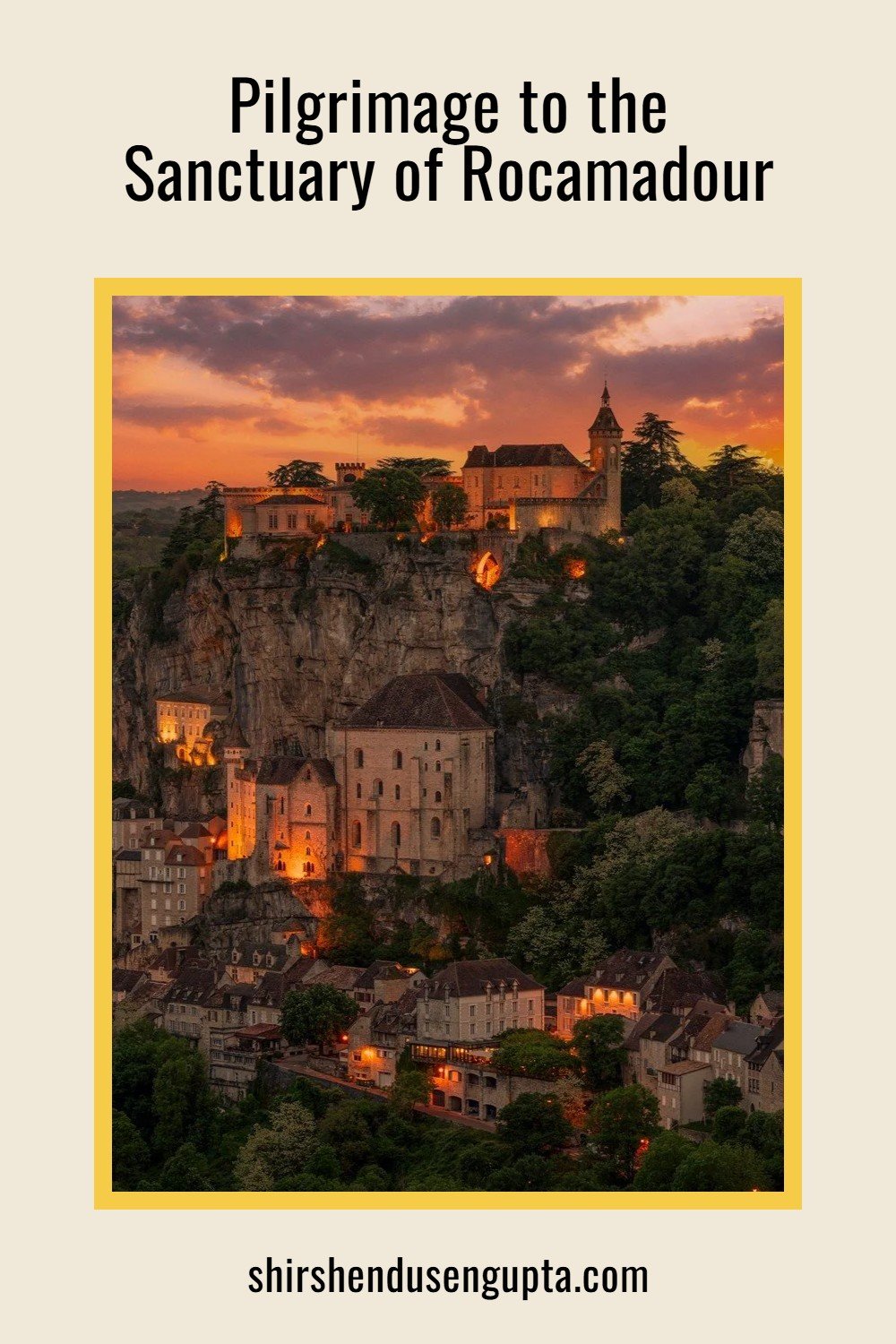
Pin the article
Bookmark the article for reading later!
Want to license/buy photos in the article?
License photos for commercial/editorial use or buy photo prints!
Want us to write an article for you?
Articles for magazines, newspapers, and websites!
Watch our Videos
Check out our videos on our Youtube Channel!
Join the Newsletter
Get updates on our latest articles!
We respect your privacy. Read our policy here.










Rocamadour is one of France’s most extraordinary pilgrimage destinations, suspended between earth and sky in the Dordogne Valley. Its history stretches back to the early Middle Ages, when the hermit Amadour chose this cliff as a place of devotion. By the 12th century, Rocamadour had become a critical stop on the pilgrimage route to Santiago de Compostela, attracting kings, nobles, and ordinary pilgrims alike.