
First Timer’s Travel Guide to Prague | 39 Best Places to Visit in Prague | 39 Top Things To Do in Prague, Czechia
Welcome to Prague
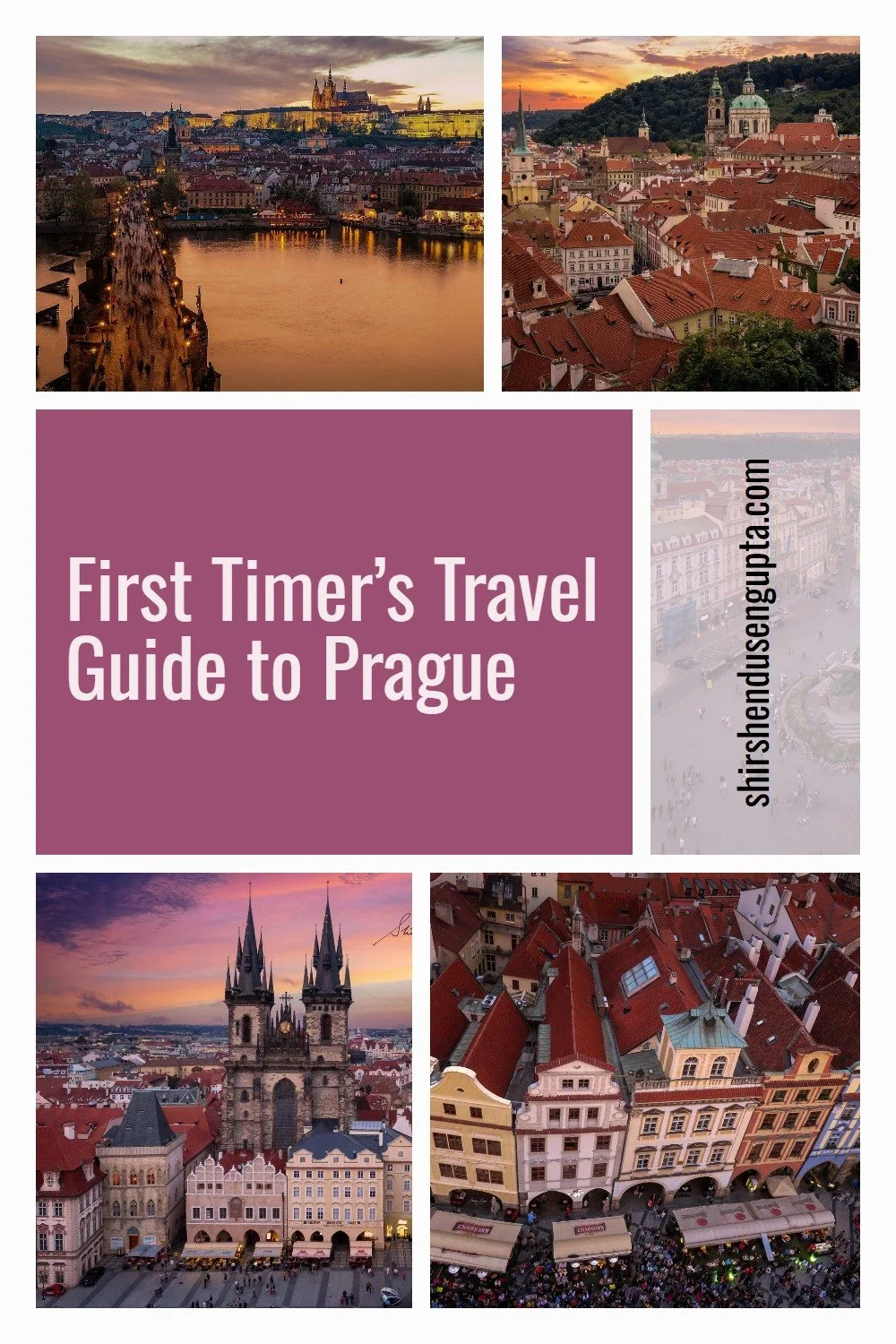
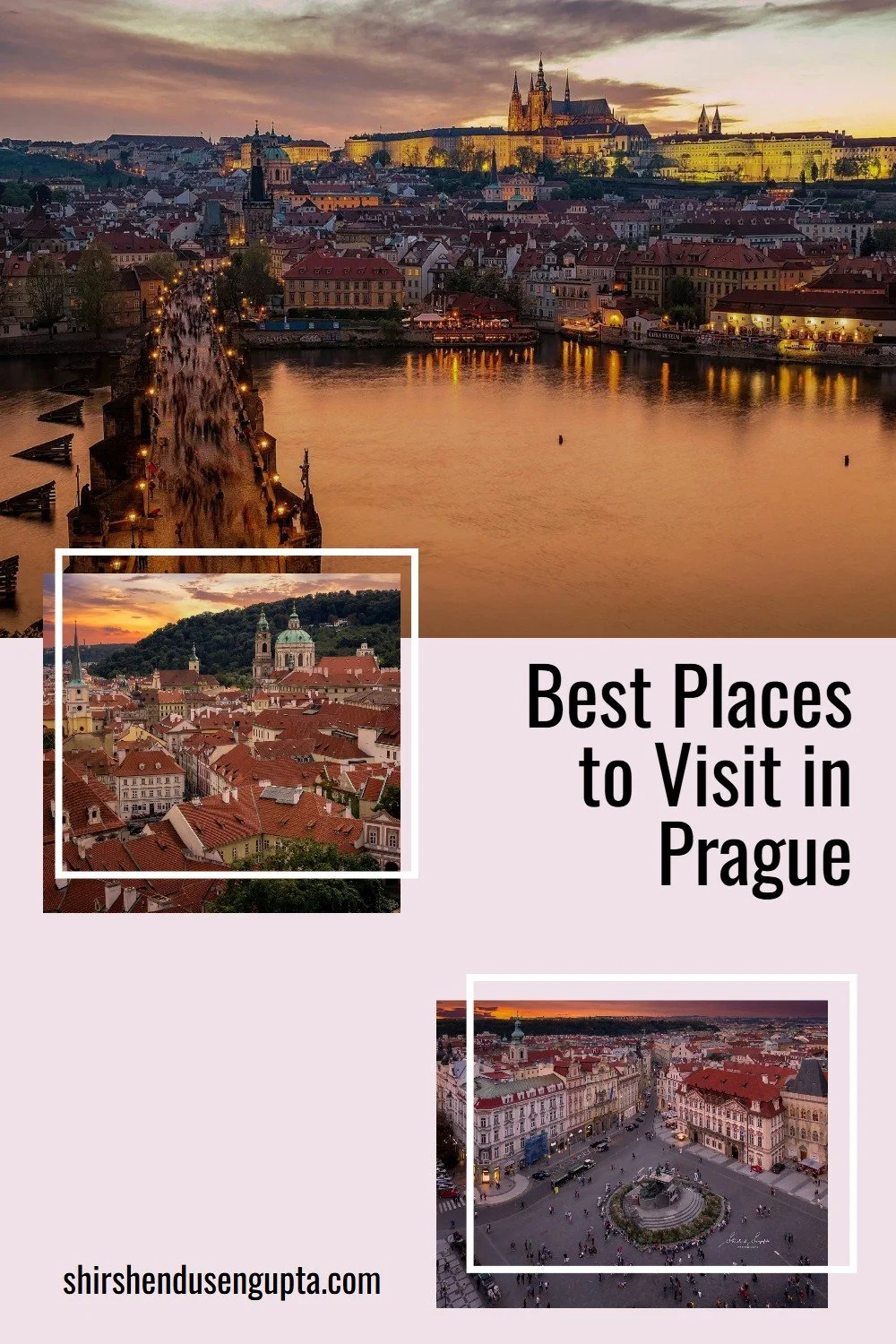
Prague, the enchanting capital of Czechia, is a city where medieval streets, Gothic cathedrals, Baroque palaces, and riverside panoramas come together in a single unforgettable travel experience. Set along the banks of the Vltava River, it has captivated travelers for centuries with its fairy tale skyline and rich cultural atmosphere. Known as “The City of a Hundred Spires,” Prague blends history, architecture, music, literature, and everyday local life in a way few European cities can match. From the winding lanes of the Old Town to the grandeur of Prague Castle and the elegance of Charles Bridge, the city feels like an open-air museum shaped by centuries.
The history of Prague spans more than a thousand years. Founded, according to legend, by Princess Libuše, it rose to prominence under the Přemyslid dynasty and reached its golden age in the 14th century under Charles IV, who made it the capital of the Holy Roman Empire. He expanded Prague Castle, built Charles Bridge, and founded Charles University in 1348. The city later experienced Hussite wars, Habsburg rule, Nazi occupation, and Communist control, before the Velvet Revolution of 1989 restored democracy. Today, it stands as a vibrant European capital.
Today, I’m going to take you along with me on a ride across the top 40 things to see and do in this beautiful city. Let the journey begin!
The Historic Districts of Prague
Prague is not defined by a single center but by a collection of historic districts, each with its own atmosphere, architectural identity, and historical significance. Together, these neighborhoods form the cultural and historical soul of the Czech capital, allowing visitors to experience different layers of the city’s evolution across more than a thousand years. From medieval marketplaces and royal castles to Jewish heritage sites and elegant nineteenth-century boulevards, every district contributes to Prague’s unique character and timeless beauty.
Staré Město (Old Town): The medieval heart of Prague with ancient squares, Gothic towers, astronomical landmarks, and bustling cobblestone streets filled with cafés, markets, and centuries-old architecture.
Malá Strana (Lesser Town): A Baroque gem across the Vltava River, known for elegant palaces, hidden courtyards, peaceful gardens, and scenic lanes beneath Prague Castle.
Nové Město (New Town): A later expansion of Prague featuring broad boulevards, theaters, shopping streets, cafés, and cultural institutions that highlight the city’s modern evolution.
Hradčany (Castle District): The elevated royal quarter, home to Prague Castle, monasteries, grand palaces, and sweeping views over the city skyline.
Josefov (Jewish Quarter): A historic area preserving centuries of Jewish heritage through synagogues, memorials, museums, and the Old Jewish Cemetery, reflecting both cultural richness and tragedy.
In our exploration below, we will follow this same order as we journey through Prague’s most important districts and uncover their unique stories.
Image Courtesy:introducingprague.com/districts
Top 39 Things to See and Do in Prague
Staré Město (Old Town)
Staré Město, or Old Town, is the historic heart of Prague and one of the best-preserved medieval districts in Europe. Its origins date back to the 12th century when merchants, craftsmen, and traders began settling along the banks of the Vltava River. Over time, it grew into a thriving commercial and cultural center, eventually becoming the core of medieval Prague. Today, its narrow cobblestone streets, grand squares, and Gothic towers create an atmosphere that feels frozen in time, yet still alive with cafés, street performers, and daily city life.
The centerpiece of Old Town is Staroměstské náměstí (Old Town Square), surrounded by architectural treasures such as Týn Church, the Astronomical Clock, and elegant Baroque and Gothic townhouses. The district also reflects Prague’s intellectual history, with institutions like the Clementinum complex and Rudolfinum showcasing centuries of scholarship and music. Charles Bridge connects Old Town with the rest of the city, reinforcing its historical role as a central hub of trade and movement.
Old Town has witnessed major historical events, including royal processions, political uprisings, and public executions, all of which shaped Czech history. Today, it remains one of the most visited areas in Prague, offering visitors a vivid blend of history, architecture, and vibrant urban energy within a compact, walkable setting.
Staroměstské Náměstí (Old Town Square)
Staroměstské náměstí, or Old Town Square, is the historic heart of Prague and one of Europe’s most beautiful medieval public spaces. Established during the twelfth century as a central marketplace, the square gradually became the social, political, and commercial center of the city. Surrounded by Gothic towers, Baroque facades, colorful merchant houses, and elegant churches, the square captures the architectural evolution of Prague across several centuries. Travelers visiting the square are immediately drawn to its lively atmosphere filled with musicians, cafés, horse carriages, and crowds admiring the famous Astronomical Clock.
The square also witnessed some of Prague’s most dramatic historical moments. In 1621, 27 Czech Protestant leaders were publicly executed here after the Battle of White Mountain, marking a tragic turning point in Czech history under Habsburg rule. Memorial crosses embedded in the pavement commemorate this event today. The Jan Hus Memorial, erected in 1915, honors the Czech religious reformer who challenged church corruption and inspired the Hussite movement. During Christmas and Easter, the square transforms into one of Europe’s most atmospheric festive markets, attracting visitors from around the world. Whether explored at sunrise or illuminated at night, Old Town Square offers a remarkable introduction to Prague’s rich heritage, architectural splendor, and enduring cultural spirit.
Týnský Chrám (Tyn Church)
The Church of Our Lady before Týn, commonly called Tyn Church, dominates Prague’s Old Town skyline with its dramatic Gothic twin spires rising high above the city. Construction began during the fourteenth century and continued for more than two hundred years, resulting in a fascinating mixture of Gothic, Renaissance, and early Baroque influences. The church became one of the most important religious symbols of medieval Prague and served as the main church for the city’s German-speaking population during the Middle Ages. Its asymmetrical towers, often said to symbolize masculine and feminine aspects, create one of Prague’s most recognizable silhouettes.
Inside the church, visitors discover ornate altars, medieval tombs, intricate paintings, and a magnificent Baroque organ dating from the seventeenth century. The church also contains the tomb of Danish astronomer Tycho Brahe, who worked at the court of Emperor Rudolf II in Prague. During the Hussite period, Tyn Church became a significant center of religious reform and reflected the turbulent spiritual conflicts that shaped Czech history. The church later returned to Catholic control after the defeat of Protestant forces during the Thirty Years’ War. Today, Tyn Church remains both a functioning place of worship and an architectural masterpiece admired by travelers, photographers, and historians. Standing beneath its towering spires in Old Town Square is one of the defining visual experiences of any visit to Prague.
Pražský Orloj (Astronomical Clock)
Prague’s Astronomical Clock, known locally as Pražský orloj, is among the oldest functioning astronomical clocks in the world and one of the city’s most celebrated landmarks. Installed in 1410 on the southern wall of the Old Town Hall, the clock was created by clockmaker Mikuláš of Kadaň and later improved by Master Jan Šindel, a mathematician and astronomer at Charles University. The clock was designed not only to display the time but also to track astronomical positions of the sun and moon, zodiac signs, and important calendar dates. Its extraordinary complexity reflected the advanced scientific knowledge of medieval Prague. The clock consists of three major sections: the astronomical dial, the calendar dial, and the animated figures that perform every hour. Decorative sculptures representing vanity, greed, death, and pleasure surround the mechanism, each symbolizing moral lessons common during the medieval period.
One of Prague’s most beloved traditions occurs every hour when the windows of the Astronomical Clock open to reveal moving figures of the Twelve Apostles. As the clock strikes the hour, the figure of Death, represented by a skeleton, rings a bell and turns an hourglass to remind viewers of life’s mortality. Simultaneously, other symbolic statues move beside the clock, including Vanity admiring itself in a mirror and Greed clutching a bag of gold. The upper windows then open slowly while the Twelve Apostles parade across the openings, each carrying symbolic objects associated with Christian tradition. At the end of the performance, a golden rooster crows, signaling the completion of the spectacle. According to local legend, city officials blinded the clockmaker to prevent him from replicating his masterpiece elsewhere. Although historians question this story, it remains part of Prague’s folklore. The clock suffered severe damage during World War II when Nazi forces shelled the Old Town Hall in 1945, but extensive restoration preserved its operation. Today, thousands gather daily to admire the remarkable craftsmanship and historical significance of this medieval scientific wonder, which continues to fascinate visitors more than six centuries after its creation.
Twelve Apostles parade across the windows at the strike of every hour, after which the golden rooster crows, signaling the completion of the spectacle
Klementinum (Clementinum)
The Klementinum is one of the largest historical complexes in Europe and represents centuries of learning, science, and religious scholarship in Prague. Originally established by Jesuits in the sixteenth century, the complex gradually expanded into an enormous educational and cultural institution rivaling Prague Castle in scale. The Jesuits transformed the area into a center of intellectual life that included schools, churches, libraries, observatories, and printing facilities. Following the suppression of the Jesuit order in 1773, the Klementinum eventually became home to the National Library of the Czech Republic.
The complex is especially famous for its stunning Baroque Library Hall, completed in 1722. Decorated with elaborate frescoes, gilded shelves, and historical globes, the library is often considered among the most beautiful in the world. The Astronomical Tower, another highlight of the complex, played an important role in meteorological observations and scientific research. Daily weather measurements recorded here since 1775 represent one of the longest continuous meteorological records in Europe. The Mirror Chapel within the complex hosted musical performances attended by Mozart during his visits to Prague. Today, visitors exploring the Klementinum discover a remarkable blend of science, religion, art, and scholarship preserved within its historic walls. The complex reflects Prague’s long tradition as a center of education and intellectual achievement, making it far more than simply a library or monastery complex.
Statue of Holy Roman Emperor Charles IV within the Clementinum Complex
The statue of Holy Roman Emperor Charles IV stands as a tribute to one of the most influential rulers in Czech and European history. Charles IV, born in 1316, transformed Prague into the political and cultural capital of the Holy Roman Empire during his reign. Educated in France and deeply interested in art, architecture, and scholarship, Charles envisioned Prague as a grand imperial city. His ambitious building projects included Charles Bridge, Saint Vitus Cathedral expansions, the New Town district, and Charles University. The statue commemorates his immense contribution to Prague’s development and national identity.
Located within the Clementinum Complex, the monument depicts the emperor with regal dignity, symbolizing wisdom, authority, and cultural patronage. Charles IV was not merely a ruler but also a diplomat and intellectual who promoted education, trade, and religious tolerance within his empire. Under his leadership, Prague flourished economically and artistically, entering what many historians describe as its golden age. He also secured the crown jewels of Bohemia and strengthened Prague Castle as a center of imperial power. Today, the statue serves as both a historical memorial and a reminder of Prague’s medieval greatness. Visitors pausing beside the monument gain a deeper appreciation for the visionary emperor whose legacy shaped the city’s skyline and cultural identity for centuries, leaving an enduring mark on Czech history and European civilization.
Kostel Nejsvětějšího Salvátora (Church of St. Salvatore) within the Clementinum Complex
The Church of St. Salvatore, or Kostel Nejsvětějšího Salvátora, located within the Clementinum Complex, is an important Baroque church closely connected to the Jesuit order and the history of Charles University. Construction began in the late sixteenth century under Italian architect Carlo Lurago, and the church eventually became one of Prague’s earliest Baroque religious structures. Dedicated to the Holy Savior, the church formed part of the extensive Jesuit educational complex centered around the Klementinum. Its prominent location near the Vltava River ensured that it became an important spiritual and architectural landmark for travelers entering the Old Town.
The church interior features ornate stucco decoration, richly painted ceilings, elegant side chapels, and impressive sculptures reflecting Counter-Reformation artistic ideals. During the seventeenth century, Jesuits used the church to reinforce Catholic influence after the defeat of Protestant forces in Bohemia. The church also maintained strong connections with academia, serving scholars and students associated with Charles University. Its acoustics later made it a favored venue for sacred music performances and classical concerts. Today, visitors appreciate the church for both its spiritual atmosphere and artistic beauty. Standing near the bustling entrance to Charles Bridge, the Church of St. Salvatore offers a quieter and more reflective experience compared with Prague’s crowded tourist attractions. Its history reveals the powerful role religion, education, and art played in shaping Prague’s cultural identity during the Baroque era.
Karlův Most (Charles Bridge)
Charles Bridge is Prague’s most iconic landmark and one of Europe’s finest surviving medieval bridges. Commissioned by Emperor Charles IV in 1357 to replace the earlier Judith Bridge destroyed by flooding, the bridge was designed by architect Peter Parler, who also contributed to Saint Vitus Cathedral. Construction continued for decades, eventually creating a magnificent stone crossing connecting the Staré Město (Old Town) with Malá Strana (Lesser Town) beneath the towering Prague Castle. Built from sandstone blocks and strengthened with legendary mixtures of eggs and mortar according to local folklore, the bridge has survived floods, wars, and centuries of heavy use.
The bridge is lined with thirty Baroque statues and sculptures added mainly during the seventeenth and eighteenth centuries. Among the most famous is the statue of Saint John of Nepomuk, a priest allegedly executed by order of King Wenceslas IV and thrown into the Vltava River from the bridge. Touching the bronze plaque beneath the statue is believed to bring good luck and guarantee a return to Prague. Historically, Charles Bridge formed part of the Royal Route used during coronation processions of Bohemian kings. Today, musicians, painters, and street performers create a lively atmosphere along the bridge from morning until late evening. Walking across Charles Bridge while admiring the river, castle skyline, and Gothic towers is one of Prague’s essential travel experiences and an unforgettable journey into the city’s medieval soul.
Statue of Saint John of Nepomuk on Charles Bridge
Prašná Brána (Powder Tower)
Powder Tower is one of Prague’s most important late medieval landmarks and a striking reminder of the city’s fortified past. Built in 1475 during the reign of King Vladislaus II, the tower originally served as one of the main ceremonial entrances to the Old Town. It was intended to be part of a grand Royal Route leading Bohemian kings from the Old Town toward Prague Castle during coronation processions. Although construction was never fully completed due to political instability, the structure still stands as an impressive example of late Gothic architecture.
In the seventeenth century, the tower gained its current name when it was used to store gunpowder, transforming a royal gateway into a military storage facility. Over time, the Powder Gate became less important for defense and more significant as a symbolic monument marking the boundary between Prague’s historic Old Town and newer districts. Its dark stone façade, pointed arches, and decorative sculptural details reflect the artistic style of its era, while later restorations in the nineteenth century helped preserve its grandeur.
Today, visitors can climb the tower to enjoy panoramic views over Prague’s rooftops, church spires, and winding medieval streets. Standing beside the nearby Municipal House, it creates a dramatic architectural contrast between Gothic fortification and early twentieth-century elegance. The Powder Gate remains both a historical gateway and a visual introduction to Prague’s layered urban history.
Obecní Dům (Municipal House)
Municipal House is one of the finest examples of Art Nouveau architecture in Europe and a powerful symbol of Czech national identity. Built between 1905 and 1912 on the site of a former royal court residence, the building was designed by architects Osvald Polívka and Antonín Balšánek. Its construction reflected the growing Czech cultural revival during the final years of the Austro-Hungarian Empire, when artists and intellectuals sought to express national pride through architecture and design. The exterior of Municipal House is richly decorated with mosaics, sculptures, and ornamental details created by leading Czech artists, including Alfons Mucha. Inside, the building contains a series of lavish halls, salons, cafés, and concert spaces, each designed with unique artistic themes. The most famous interior space is Smetana Hall, a grand concert venue known for its exceptional acoustics and elegant stained glass dome.
Municipal House also holds deep historical significance. In 1918, the declaration of Czechoslovak independence was announced here, marking the birth of a new nation after the collapse of the Habsburg Empire. Today, the building continues to function as a cultural hub hosting concerts, exhibitions, and formal events. Located next to the Powder Gate, it creates one of Prague’s most iconic architectural pairings, where Gothic medieval heritage meets the refined beauty of early modern Czech artistry.
Rudolfinum Music Auditorium
The Rudolfinum is one of Prague’s most prestigious cultural institutions and the celebrated home of the Czech Philharmonic Orchestra. Constructed between 1876 and 1884 in Neo Renaissance style, the building was designed by architects Josef Zítek and Josef Schulz. Named after Crown Prince Rudolf of Austria, the Rudolfinum was originally intended as a multipurpose cultural venue combining concert halls, exhibition spaces, and artistic institutions. Its elegant façade overlooking the Vltava River quickly made it one of Prague’s architectural highlights.
The building’s Dvořák Hall is internationally admired for its superb acoustics and has hosted some of the world’s greatest musicians and conductors. Composers such as Antonín Dvořák and Bedřich Smetana helped establish Prague’s reputation as a major European center of classical music. During the twentieth century, the Rudolfinum also witnessed significant political moments. After the creation of Czechoslovakia in 1918, the building briefly served as the seat of the national parliament before returning to its cultural role. Today, the Rudolfinum continues to host concerts, festivals, and art exhibitions that attract audiences from across the world. Attending a performance here offers travelers not only musical excellence but also the opportunity to experience Prague’s deep connection with classical music traditions. The building stands as a proud symbol of Czech artistic achievement and remains central to the city’s cultural identity.
Malá Strana (Lesser Town)
Malá Strana, or Lesser Town, is one of Prague’s most picturesque and historically rich districts, located on the left bank of the Vltava River directly beneath Prague Castle. Founded in 1257 by King Ottokar II, it was rebuilt after several devastating fires, especially in the 16th and 17th centuries, which gave it its distinctive Baroque character. Over time, it became a prestigious residential area for nobility, diplomats, and artists, shaping its elegant and refined atmosphere that still defines it today.
The district is known for its narrow winding streets, grand Baroque palaces, and hidden courtyards that open into quiet gardens and church squares. Among its most notable landmarks are the Wallenstein Palace with its landscaped gardens, the iconic John Lennon Wall symbolizing peace and artistic expression, the Strahov Monastery with its historic library, and the Loreta pilgrimage site. Petřín Hill and its observation tower also rise above Malá Strana, offering sweeping views over Prague’s rooftops and river.
Malá Strana feels more intimate and tranquil compared to the busy Old Town, yet it is deeply connected to Prague’s political and cultural history. Its stairways leading up to the castle, riverside views, and architectural harmony create a romantic setting that captures the timeless charm of Prague.
Strahov Monastery
Strahov Monastery is one of Prague’s oldest and most historically significant monastic institutions, founded in 1143 by the Premonstratensian Order. Situated on a hill overlooking the city, the monastery survived fires, wars, invasions, and political upheaval across nearly nine centuries of Czech history. Although repeatedly damaged, especially during the Hussite Wars and later conflicts, the complex was continuously rebuilt and expanded, resulting in a fascinating mixture of Romanesque, Gothic, and Baroque architecture. The monastery became an important center of religious scholarship and intellectual life in Bohemia.
The greatest treasure of Strahov Monastery is its extraordinary library, widely considered among the most beautiful libraries in the world. The Theological Hall and Philosophical Hall feature richly decorated ceilings, ancient manuscripts, historical globes, and ornate wooden shelves filled with thousands of rare books. The library preserves valuable medieval texts and scientific works that reflect centuries of European learning. The monastery also houses an art gallery displaying religious paintings, sculptures, and historical artifacts. During the Communist era, the monastery faced restrictions and state control, but many of its treasures survived intact. Today, visitors come not only for the breathtaking architecture and collections but also for the stunning views across Prague from the monastery grounds. Strahov Monastery represents Prague’s long tradition of scholarship, spirituality, and artistic achievement, offering travelers a peaceful retreat filled with historical depth and cultural richness.
Loreta
Loreta is one of Prague’s most important pilgrimage sites and a masterpiece of Baroque religious architecture. Located in the Castle District near Prague Castle, the complex was founded in 1626 by noblewoman Benigna Katharina von Lobkowicz during the Counter-Reformation period. Inspired by the famous Holy House of Loreto in Italy, the complex was intended to strengthen Catholic devotion after the religious conflicts that had shaken Bohemia during the sixteenth and seventeenth centuries. Construction continued for decades, resulting in a magnificent sanctuary filled with chapels, cloisters, and richly decorated interiors.
The centerpiece of Loreta is the Santa Casa, a replica of the legendary house where the Virgin Mary is believed to have lived in Nazareth. Pilgrims traveled from across Central Europe to visit the sacred site and seek spiritual blessings. Loreta is also renowned for its treasury, which contains valuable liturgical objects, precious jewels, and the famous Prague Sun monstrance decorated with thousands of diamonds. The complex’s clock tower performs a beautiful chime melody every hour, becoming one of Prague’s most recognizable sounds. Inside, visitors encounter remarkable frescoes, stucco decorations, and peaceful courtyards that contrast with the busy streets outside. Today, Loreta remains an active religious center while also attracting travelers interested in art, architecture, and Czech spiritual history. Its combination of beauty, devotion, and historical importance makes it one of Prague’s most memorable landmarks.
Kostel Svatého Mikuláše (St. Nicholas Church)
It is important to note that Prague has two different churches named St. Nicholas Church, which often creates confusion for visitors. One is located in Malá Strana and is the famous Baroque masterpiece described below, while the other is situated in the Old Town area and is a different historical building with its own separate identity.
St. Nicholas Church in Malá Strana, or Kostel svatého Mikuláše, is one of the most magnificent examples of Baroque architecture in Prague and a defining landmark of the district. Built between the early 18th century and mid-18th century, the church was designed by Christoph Dientzenhofer and later completed by his son Kilian Ignaz Dientzenhofer, two of the most influential Baroque architects in Central Europe. It replaced an earlier Gothic church on the same site, reflecting Prague’s continuous architectural evolution over time.
The exterior is striking, with its monumental green dome, richly decorated façade, and sculpted figures that express the dramatic energy of Baroque design. Inside, the church reveals its true brilliance through elaborate frescoes, gilded stucco, marble columns, and a vast ceiling painting that creates a powerful illusion of depth and movement. It is widely regarded as one of the finest Baroque interiors in Europe.
During the 18th century, it was used by the Jesuit order and also hosted concerts, including performances by Wolfgang Amadeus Mozart. Today, it remains both an active church and a major cultural monument admired for its art, history, and music heritage.
Valdštejnský Palác (Wallenstein Palace)
Wallenstein Palace is one of Prague’s grandest Baroque palaces and a remarkable symbol of aristocratic ambition during the seventeenth century. Built between 1624 and 1630 for military commander Albrecht von Wallenstein, the palace was intended to rival Prague Castle in magnificence. Wallenstein rose to enormous power during the Thirty Years’ War, becoming one of the wealthiest and most influential figures in the Habsburg Empire. To demonstrate his status, he commissioned Italian architects and artists to create an opulent palace complex in Malá Strana filled with lavish halls, gardens, fountains, and sculptures.
The palace interiors feature magnificent frescoes celebrating Wallenstein’s military victories and political achievements. The main ceremonial hall presents the commander as a heroic figure guided by destiny and imperial authority. Outside, the palace gardens contain geometric hedges, mythological statues, ponds, and an artificial grotto wall decorated with unusual stone formations. Peacocks still wander the gardens today, adding to the atmosphere of aristocratic elegance. However, Wallenstein’s rapid rise eventually alarmed Emperor Ferdinand II, who accused him of treason and ordered his assassination in 1634. Despite his dramatic downfall, the palace remained one of Prague’s architectural masterpieces. Today, the complex serves as the seat of the Czech Senate while remaining open to visitors. Exploring Wallenstein Palace offers insight into the immense wealth, political intrigue, and artistic extravagance that shaped Baroque Prague during one of Europe’s most turbulent historical periods.
John Lennon Wall
The John Lennon Wall in Prague is one of the city’s most colorful and emotionally powerful landmarks, symbolizing freedom, peace, and resistance against oppression. Located near the French Embassy in Malá Strana, the wall first became associated with John Lennon after his assassination in 1980. Young Czechs, inspired by Lennon’s music and ideals of peace and individuality, began painting graffiti, song lyrics, and political messages on the wall during the Communist era. At a time when freedom of expression was heavily restricted in Czechoslovakia, the wall became a spontaneous act of protest against the authoritarian regime.
Authorities repeatedly painted over the graffiti, but new messages constantly reappeared, turning the wall into a living symbol of resistance and hope. During the 1980s, the area attracted young activists demanding greater freedom and reform. The movement surrounding the wall became known as “Lennonism,” representing ideals of nonviolence, artistic freedom, and Western cultural influence. Following the Velvet Revolution in 1989, the wall evolved into an international symbol of peace and creativity. Today, visitors from around the world contribute new artwork, quotes, and messages, ensuring the wall constantly changes in appearance. Although much different from its original political role, the John Lennon Wall continues to embody Prague’s spirit of resilience and artistic expression. It remains not only a tribute to the famous musician but also a reminder of the city’s struggle for freedom and democracy.
Petřín Tower
Petřín Lookout Tower is one of Prague’s most recognizable landmarks and offers some of the finest panoramic views across the Czech capital. Constructed in 1891 for the Jubilee Exhibition, the tower was inspired by the Eiffel Tower in Paris, though built on a smaller scale. Standing atop Petřín Hill, the structure reaches a height of over sixty meters, but due to the hill’s elevation, visitors enjoy views comparable to much taller towers. The tower quickly became a beloved symbol of Prague and reflected the city’s growing confidence and modernization during the late nineteenth century.
Visitors can climb nearly three hundred steps to the observation platforms or use the elevator to reach the summit. From the top, Prague unfolds in every direction, revealing Prague Castle, the Vltava River, Charles Bridge, church spires, and distant hills surrounding the city. Petřín Hill itself has long been associated with leisure, gardens, and romantic walks. During the medieval period, the hill supplied vineyards and orchards for Prague’s residents. Today, the surrounding parklands attract families, photographers, and couples seeking peaceful scenery away from crowded tourist streets. The tower also contains a small exhibition area documenting its history and construction. Illuminated beautifully after sunset, Petřín Tower remains both a historic observation point and an enduring symbol of Prague’s elegance, combining engineering ambition with breathtaking natural and architectural beauty overlooking one of Europe’s most picturesque cities.
Nové Město (New Town)
Nové Město, or New Town, is one of the most ambitious urban expansions in medieval Europe, founded in 1348 by Emperor Charles IV. Unlike its name suggests, it is still historic, but it was designed as a forward-looking district to support Prague’s rapid growth during its golden age. Charles IV envisioned wide boulevards, spacious markets, and structured urban planning to complement the older, denser parts of the city. This careful design remains visible today, making New Town one of Prague’s most organized and dynamic districts.
The district is home to some of Prague’s most important cultural and architectural landmarks. The National Theatre stands as a symbol of Czech national identity and artistic pride, while the Dancing House represents modern architectural innovation along the riverfront. Wenceslas Square, the district’s central boulevard, has witnessed major historical events, including demonstrations, political gatherings, and the Velvet Revolution of 1989. It continues to serve as a lively hub filled with shops, cafés, hotels, and public life.
Nové Město blends history with modern energy more than any other district in Prague. Its broad streets contrast with the narrow lanes of Old Town, offering a different rhythm of exploration. It is a place where historical significance and contemporary urban culture exist side by side, making it an essential part of any Prague visit.
Tančící Dům (Dancing House)
Tančící dům, popularly known as the Dancing House, is one of Prague’s most striking examples of modern architecture and a fascinating contrast to the city’s medieval skyline. Located along the banks of the Vltava River, the building was completed in 1996 and designed by Croatian Czech architect Vlado Milunić in collaboration with renowned Canadian American architect Frank Gehry. Its unusual curved form resembles a dancing couple, earning it the nickname “Fred and Ginger” after legendary dancers Fred Astaire and Ginger Rogers. The structure symbolized Prague’s transition into a new democratic era following the fall of Communism and quickly became one of the city’s most discussed architectural landmarks.
The site where the Dancing House now stands once contained a building destroyed during the American bombing of Prague in 1945 during World War II. Former Czech president Václav Havel, who lived nearby, strongly supported the creation of a modern cultural symbol on the empty plot. The building’s glass tower appears to lean gracefully against the more rigid stone section, creating the illusion of movement and dance. Although controversial when first unveiled, many residents gradually embraced its bold design and artistic originality. Today, the Dancing House contains offices, galleries, restaurants, and a rooftop terrace offering beautiful views of Prague. It remains a symbol of creativity, freedom, and the city’s willingness to blend historical heritage with contemporary architectural innovation.
Hradčany (Castle District)
Hradčany, the Castle District, is the elevated historic quarter of Prague and the symbolic heart of Czech statehood. Established in the 14th century, it developed around Prague Castle and gradually became the seat of kings, emperors, and later presidents. Its position on a hill above the Vltava River gives it a commanding presence over the city, making it one of the most visually striking districts in Prague. Over centuries, Hradčany evolved into a blend of royal, religious, and residential architecture that reflects the political importance of the area.
At its core lies Pražský hrad (Prague Castle), one of the largest castle complexes in the world. Within its walls are major landmarks such as St. Vitus Cathedral, St. George’s Basilica, the Old Royal Palace, and the Golden Lane, each representing different layers of Czech history. The district also includes aristocratic residences like Schwarzenberg Palace and quieter historic corners such as Nový Svět, known for its colorful houses and lantern-lit streets.
Hradčany is not only a historical monument but also an active cultural and political space, as it continues to serve as the residence of the Czech president. Its courtyards, gardens, and panoramic viewpoints offer some of the most breathtaking views in Prague, making it a highlight of any visit to the city.
Pražský Hrad (Prague Castle)
Prague Castle, located in the historic district of Hradčany, is the largest ancient castle complex in the world and the enduring symbol of Czech political, cultural, and spiritual identity. Founded around 880 by Prince Bořivoj of the Přemyslid dynasty, the castle has served for more than a millennium as the seat of Bohemian kings, Holy Roman emperors, Habsburg rulers, and today the President of the Czech Republic. Perched on a hill above the Vltava River, the vast complex includes palaces, churches, courtyards, gardens, defensive towers, and museums, showcasing architectural styles ranging from Romanesque foundations to Gothic, Renaissance, and Baroque grandeur.
Across its long and layered history, Prague Castle has witnessed coronations, invasions, religious upheavals, and political turning points that shaped Central Europe. During the reign of Charles IV in the 14th century, it was transformed into an imperial residence of exceptional importance, elevating Prague to the center of the Holy Roman Empire. Later centuries added further expansions and artistic refinements, leaving behind a rich architectural timeline visible throughout the complex today. One of the most significant historical events associated with the castle is the Defenestration of Prague in 1618, when Protestant nobles threw imperial officials from its windows, an act that helped ignite the Thirty Years’ War.
Visitors exploring Prague Castle and Hradčany encounter iconic landmarks such as Saint Vitus Cathedral, Golden Lane, royal halls, and panoramic viewpoints over the city. Despite its historical depth, the complex remains a living seat of state power, blending governance with heritage. Walking through its courtyards offers a powerful journey through more than a thousand years of Czech history, faith, authority, and artistic achievement.
It is important to note that Prague Castle is partly free and partly ticketed. You can enter the outer castle grounds and courtyards for free. This includes walking through the main gates, courtyards, and enjoying views over the city. A ticket is required for the interiors and main attractions, such as:
St. Vitus Cathedral interior (tower access also requires a ticket)
St. George’s Basilica
Golden Lane
St. Vitus Cathedral within the Prague Castle Complex
St. Vitus Cathedral is the most important religious monument in Prague and one of the finest examples of Gothic architecture in Europe. Located within the grounds of Prague Castle in Hradčany, the cathedral serves as the spiritual heart of the Czech state and the traditional site of coronations of Bohemian kings and queens. Construction began in 1344 under the reign of Charles IV and continued for nearly six centuries, resulting in a fascinating blend of Gothic, Neo-Gothic, and Renaissance elements.
The cathedral’s soaring spires, intricate stone carvings, and stained glass windows create a dramatic interior filled with light and symbolism. One of the most famous features is the stained glass window designed by Alfons Mucha, which adds a uniquely Czech Art Nouveau touch to the sacred space. Inside, visitors can find the royal tombs of Bohemian kings, including Charles IV, as well as the Chapel of St. Wenceslas, richly decorated with semi-precious stones and medieval paintings. St. Vitus Cathedral also houses the Crown Jewels of Bohemia, kept under strict security and displayed only on rare occasions. The cathedral remains an active place of worship, hosting major religious ceremonies and state events. Its towering presence above Prague Castle reflects both spiritual devotion and national pride, making it one of the most significant cultural and historical landmarks in the Czech Republic.
Treasury of St. Vitus Cathedral within the Prague Castle Complex
The Treasury of St. Vitus Cathedral is one of the most valuable and historically important collections of religious artifacts in Central Europe. Located within Prague Castle, the treasury preserves centuries of sacred objects used in coronations, religious ceremonies, and royal worship. These items reflect the deep connection between the Czech monarchy, the Catholic Church, and the cultural identity of Bohemia. The collection includes ornate reliquaries, gold and silver chalices, jeweled crosses, liturgical garments, and intricately crafted altar pieces. Many of these objects date back to the medieval and Renaissance periods, showcasing exceptional craftsmanship and artistic detail. Among the most significant treasures are relics of saints, including items associated with St. Wenceslas, the patron saint of Bohemia, whose legacy remains central to Czech national identity.
Access to the treasury is limited and carefully controlled, as many objects are of immense historical and spiritual value. Over the centuries, parts of the collection were hidden, protected, or relocated during times of war and political upheaval, particularly during the Hussite Wars and later conflicts. Today, the treasury stands as a testament to Prague’s long tradition of religious devotion, artistic excellence, and royal heritage. It offers visitors a rare glimpse into the ceremonial life of Bohemian kings and the sacred history that shaped the Czech lands.
Bazilika Svatého Jiří (St. George’s Basilica) within the Prague Castle Complex
St. George's Basilica is the oldest surviving church building within Prague Castle and one of the finest examples of Romanesque architecture in the Czech Republic. Founded around 920 by Prince Vratislav I, the basilica reflects the early Christian history of Bohemia and stands in contrast to the later Gothic grandeur of nearby St. Vitus Cathedral. Its simple yet powerful stone structure, twin towers, and thick walls represent the architectural style of early medieval Europe.
Despite its modest exterior, the interior of St. George’s Basilica reveals a sense of solemn beauty, with narrow arches, ancient fresco fragments, and the tombs of members of the Přemyslid dynasty, including Princess Ludmila, the grandmother of St. Wenceslas. The basilica played an important role in the religious and political life of early Bohemia, serving as a monastic church connected to the Benedictine convent once located nearby. Over the centuries, the basilica was modified in Baroque style, adding decorative elements while preserving its Romanesque core. Today, it is often used as a concert venue due to its exceptional acoustics and intimate atmosphere. Visiting St. George’s Basilica offers a rare opportunity to experience the earliest architectural layers of Prague Castle, providing a quiet contrast to the grandeur of the surrounding Gothic and Baroque structures.
Rosenberg Palace within the Prague Castle Complex
Rosenberg Palace, Prague Castle, is one of the most important aristocratic buildings inside the Prague Castle complex in Hradčany. Originally constructed in the late 16th century by the powerful Rosenberg family, it reflects the transition of Prague Castle from a medieval royal seat into a refined Renaissance and later Baroque administrative and residential center. The palace was designed to accommodate noble life within the castle grounds, combining residential apartments with representative halls used for courtly functions.
In the 17th century, the building underwent a significant transformation when it was adapted for use by the Imperial Institute for Noble Ladies, founded by Empress Maria Theresa. This gave the palace a new social and educational role, housing unmarried noblewomen of aristocratic families. The architectural structure was modified to include larger communal spaces, chapels, and living quarters suited to this institutional purpose, while still preserving its Renaissance foundations.
Today, Rosenberg Palace remains an integral part of the Prague Castle’s historical circuit. Visitors encounter its preserved interiors as part of the castle museum route, where it helps illustrate how aristocratic, imperial, and educational functions were combined within one of Europe’s most important political centers. The palace stands as a quiet but significant reminder of Prague’s layered noble and imperial history.
Zlatá Ulička (Golden Lane) within the Prague Castle Complex
Golden Lane is one of the most charming and historically evocative streets within the Prague Castle. Dating back to the late sixteenth century, the narrow lane was originally built to house castle guards, artisans, and craftsmen who worked within the royal complex. The small, colorful houses lining the street reflect the modest living conditions of those who served the castle, standing in contrast to the grandeur of nearby palaces and cathedrals. Over time, Golden Lane became home to goldsmiths, armorers, and later writers and artists. Today, the houses have been preserved and restored to reflect different periods of their history, offering visitors a glimpse into everyday life within the castle walls.
The street is also associated with legends, including alchemists who were allegedly invited by Emperor Rudolf II to search for gold and the philosopher’s stone. Although historically debated, these stories add to the lane’s mystical reputation. Walking through Golden Lane feels like stepping into a miniature historical village frozen in time, where each small house tells a story of craft, service, and imagination within the royal fortress.
House No. 13 in Golden Lane – Residence of the Red Artilleryman
House No. 13 in Golden Lane, Prague Castle, is historically associated with the Red Artillerymen, a specialized group of guards responsible for defending Prague Castle’s fortifications, gates, and towers. These guards played a crucial role in maintaining the security of the royal complex during the Renaissance and early modern periods. Unlike regular soldiers, they did not receive a fixed salary but were granted tax exemptions and housing within the castle grounds as compensation for their service. In addition to their defensive duties, the Red Artillerymen often took on supplementary work such as serving in kitchens, assisting with maintenance, and transporting goods within the castle. They were also assigned responsibilities in guarding prisoners held in structures like the White Tower and Dalibor Tower. Their presence reflects the highly organized and multifunctional nature of castle life during this period.
The unit was eventually disbanded in 1784 by Emperor Joseph II as part of broader military and administrative reforms across the Habsburg Empire. Today, House No. 13 stands as a preserved reminder of this unique military community. Visitors walking through Golden Lane can imagine the disciplined yet modest lives of these guards who once safeguarded one of Europe’s most important royal residences.
House No. 14 in Golden Lane – Little House of Matilda Průšová
House No. 14 in Golden Lane, Prague Castle, is associated with the tragic story of Matilda Průšová, a well-known Prague fortune teller who lived during the first half of the twentieth century. Known for her striking appearance and mysterious reputation, she practiced under the name “Madame de Thebes” and became widely recognized for her predictions and spiritual readings. Her fame extended beyond Prague, with reports of international correspondence reaching her from distant places such as Cape Town.
Her personal life, however, was marked by deep sorrow. From 1914 onward, she waited in vain for her son to return from the First World War, leaving a place set for him at her table every day. During the turbulent years leading up to World War II, she reportedly made predictions about the fall of the Third Reich and the early end of the war. These statements eventually led to her arrest by the Gestapo. She is believed to have died under torture, becoming one of the many tragic figures associated with Nazi persecution in Prague. Today, House No. 14 preserves her memory as part of Golden Lane’s layered history. It reflects not only the everyday life of castle residents but also the darker, human stories that unfolded during Europe’s most turbulent decades.
House No. 15 in Golden Lane – Goldsmith’s Workshop and Dwelling
House No. 15 in Golden Lane, Prague Castle, represents the Renaissance tradition of goldsmiths who lived and worked within the castle grounds. During the sixteenth century, this area became known for skilled artisans who produced jewelry, decorative chains, and fine metalwork for the royal court. The street itself was associated with craftsmanship and later became known as Golden Lane due to the presence of these gold-working communities. Goldsmiths worked under demanding and sometimes hazardous conditions. They used high-temperature burners to melt precious metals and often relied on primitive safety methods, including caged birds that would react to toxic fumes, alerting workers to danger. Their daily tasks required precision, patience, and artistic skill, as they transformed raw gold into intricate decorative objects for nobles and royalty.
The workshop environment was small and functional, reflecting the modest living conditions of artisans within the castle. Despite this, their work contributed significantly to Prague’s reputation for fine craftsmanship and luxury goods. Today, the preserved house allows visitors to imagine the daily rhythm of Renaissance life inside the castle, where artistry and manual labor coexisted within one of Europe’s most powerful royal complexes.
House No. 16 in Golden Lane – Taproom and Tavern
House No. 16 in Golden Lane, Prague Castle, highlights the social life of Renaissance Prague through its history as a tavern and taproom. By the seventeenth century, more than ten taverns operated within the castle grounds, serving soldiers, craftsmen, courtiers, and visitors. These establishments were lively centers of entertainment where music, storytelling, and informal gatherings formed an essential part of daily life.
Taverns in this area were not only places for drinking, but also important social hubs where information was exchanged and deals were made. Musicians, performers, and traveling entertainers often gathered here, contributing to a vibrant and sometimes chaotic atmosphere. Historical records mention concerns from religious authorities, including complaints from nearby monastic communities about noise, disorder, and moral behavior, reflecting tensions between sacred institutions and everyday social life. Despite such complaints, taverns remained an integral part of castle life, offering rest and recreation within a highly structured environment. Today, House No. 16 provides visitors with a glimpse into this lesser-known aspect of Prague Castle, revealing how even within royal walls, ordinary people created spaces for relaxation, interaction, and entertainment.
View from Prague Castle Ramparts
The view from the ramparts of Prague Castle offers one of the most spectacular panoramas in Prague. From this elevated position, visitors can see the red rooftops of the Old Town, the winding Vltava River, Charles Bridge, and the distant hills surrounding the city. The vantage point highlights Prague’s unique architectural harmony, where Gothic, Baroque, Renaissance, and modern structures blend into a unified cityscape.
Historically, the ramparts served a defensive purpose, protecting the castle from invasion and providing strategic observation points. Guards once patrolled these walls to monitor movements along the river and surrounding lands. Today, the same spaces are open to visitors, transforming military fortifications into peaceful viewing terraces. Sunset from the ramparts is especially striking, as golden light reflects across the city’s spires and domes, creating a dramatic contrast of shadow and illumination. The view encapsulates Prague’s identity as a “city of a hundred spires,” offering a visual summary of its long and layered history. Standing here allows travelers to appreciate the scale, beauty, and historical depth of the Czech capital in a single sweeping glance.
Schwarzenberský Palác (Schwarzenberg Palace) within Hradčany (Castle District)
Schwarzenberg Palace is one of the most impressive Renaissance buildings in Prague’s Hradčany district, located near Prague Castle. Built in the sixteenth century, the palace is known for its striking sgraffito façade, which creates a distinctive illusion of three-dimensional diamond patterns across the exterior walls. This decorative technique reflects the artistic sophistication of Renaissance Bohemia and makes the building one of the most visually recognizable palaces in the city. Originally constructed for noble families, the palace later passed through various aristocratic owners, including the influential Schwarzenberg family, whose name it still carries today. Over time, the building served multiple purposes, including administrative offices and military functions. In the twentieth century, it was carefully restored and transformed into a museum space.
Today, Schwarzenberg Palace is part of the National Gallery Prague and hosts exhibitions focused on Baroque and Renaissance art, including paintings, sculptures, and decorative arts from Central Europe. Inside, visitors find richly decorated interiors with wooden ceilings, historical artifacts, and carefully curated galleries that highlight the artistic evolution of the Czech lands. The palace also offers beautiful views over Prague Castle and the surrounding rooftops of Hradčany. Its combination of architectural elegance and cultural significance makes it an essential stop for those interested in Prague’s aristocratic and artistic heritage.
Colorful Walls and Street Lamps of Nový Svět (New World) within Hradčany (Castle District)
Nový Svět is an incredibly romantic historic neighborhood tucked away in the Hradčany district. The name “New World” feels almost ironic, because this small cluster of winding lanes feels deeply old, almost frozen in time. Narrow cobblestone streets, low houses with pastel colored facades, and old-fashioned street lamps create a scene that feels closer to a storybook village than a capital city.
The colorful walls of Nový Svět are one of its most charming features. Soft yellows, muted blues, faded pinks, and earthy greens line the houses, many of which date back to the seventeenth century. These homes were originally built for castle servants, artisans, and guards who worked within Prague Castle. Over time, the area became a quiet residential neighborhood, avoiding large-scale redevelopment and preserving its historic character. Unlike the grandeur of nearby palaces and courtyards, Nový Svět reflects everyday life in historical Prague, simple, intimate, and deeply human.
Josefov (Jewish Quarter)
Josefov, Prague’s historic Jewish Quarter, is one of the most significant Jewish heritage sites in Europe, carrying centuries of cultural achievement, resilience, and tragedy. Its origins date back to the 10th century, when Jewish communities settled in Prague and gradually formed a distinct neighborhood due to periods of segregation and restrictions. Over time, Josefov developed into a densely populated and culturally vibrant district, home to scholars, merchants, rabbis, and writers who contributed greatly to the intellectual life of the city.
The district is best known for its remarkable collection of synagogues and memorial sites. The Spanish Synagogue stands out for its richly decorated Moorish Revival interior, while the Pinkas Synagogue serves as a deeply moving Holocaust memorial, with the names of thousands of Czech Jewish victims inscribed on its walls. The Old Jewish Cemetery, with its layered and tilted tombstones, reflects centuries of limited burial space and stands as one of the oldest surviving Jewish burial grounds in Europe.
Josefov is also closely associated with the writer Franz Kafka, whose legacy is commemorated by a striking modern statue near the Spanish Synagogue. Today, the district functions as both a cultural heritage area and a place of remembrance, offering visitors a powerful insight into Jewish history in Prague and the enduring memory of its community.
Socha Franze Kafky (Statue of Franz Kafka) in the Jewish Quarter
The Franz Kafka Statue in Prague pays tribute to one of the twentieth century’s most influential literary figures, whose writings explored alienation, bureaucracy, anxiety, and the complexities of modern existence. Franz Kafka was born in Prague in 1883 into a German-speaking Jewish family and spent much of his life in the city. Although he achieved limited recognition during his lifetime, his novels and stories later transformed world literature and inspired the term “Kafkaesque,” describing surreal and oppressive situations. Prague’s mysterious atmosphere and layered history strongly influenced his imagination and literary themes.
The statue of Franz Kafka, known as Socha Franze Kafky, is located on Vězeňská Street in Prague’s Jewish Quarter, Josefov, close to the Spanish Synagogue. Installed in December 2003, it was created by Czech sculptor Jaroslav Róna as a tribute to one of Prague’s most influential literary figures, Franz Kafka. The sculpture presents a surreal and thought-provoking scene: Kafka is shown riding on the shoulders of a giant, headless figure wearing an empty suit. This striking composition is inspired by Kafka’s early short story “Description of a Struggle,” which explores themes of psychological conflict, identity fragmentation, and existential uncertainty. The absence of a head on the larger figure suggests a loss of control or rational direction, while Kafka’s placement on top reflects his role as an observer of human confusion and inner turmoil. Today, it stands as one of Prague’s most compelling literary landmarks, drawing visitors who are intrigued by both its artistic originality and its deep connection to the writer’s imagination and the city that shaped him.
Španělská Synagoga (Spanish Synagogue) in the Jewish Quarter
The Spanish Synagogue is widely regarded as Prague’s most beautiful synagogue and one of the finest examples of Moorish Revival architecture in Europe. Completed in 1868 on the site of Prague’s oldest Jewish prayer house, the synagogue was designed by architects Vojtěch Ignác Ullmann and Josef Niklas. Inspired by Islamic architectural styles found in Spain’s Alhambra Palace, the building features intricate geometric decoration, richly colored patterns, gilded details, and elegant arches that create a breathtaking interior atmosphere. Its name reflects the synagogue’s strong stylistic resemblance to Spanish Moorish architecture.
The synagogue became an important center for Prague’s Reform Jewish community during the nineteenth century, reflecting efforts to modernize Jewish religious practice while preserving cultural identity. Inside, visitors encounter magnificent stained glass windows, ornate chandeliers, and decorative motifs covering nearly every surface. During World War II, the synagogue was confiscated by the Nazis along with other Jewish properties. Fortunately, the building survived the war and later underwent extensive restoration. Today, it forms part of the Jewish Museum in Prague and houses exhibitions documenting the history of Jewish communities in Bohemia and Moravia from the eighteenth century onward. Concerts featuring classical and Jewish music are also regularly performed within its remarkable interior. The Spanish Synagogue stands not only as an architectural masterpiece but also as a powerful symbol of cultural continuity, artistic achievement, and the enduring heritage of Prague’s Jewish community.
Pinkasova Synagoga (Pinkas Synagogue) in the Jewish Quarter
Pinkas Synagogue in Josefov is one of the most powerful memorial sites in Prague, dedicated to the memory of Czech Jewish victims of the Holocaust. Originally built in 1535 by the Pinkas family, the synagogue later became a deeply symbolic remembrance space after World War II. Today, its interior is transformed into a solemn memorial where visitors encounter one of the most emotionally striking installations in the city.
The walls of the synagogue are covered with the handwritten names of nearly eighty thousand Jewish men, women, and children from Bohemia and Moravia who were murdered during the Holocaust. Each name is carefully recorded along with birth year and place, turning the interior into a vast and silent archive of lost lives. The sheer scale of names creates a haunting visual experience, reminding visitors that behind every line of ink was a real person with a story, family, and future that was taken away. Upstairs, exhibitions display drawings made by children imprisoned in the Terezín ghetto, adding an especially heartbreaking dimension to the memorial.
Old Jewish Cemetery in the Jewish Quarter
Old Jewish Cemetery is one of the most haunting and historically significant sites in Josefov. Founded in the early 15th century, it served as the main burial place for Prague’s Jewish community for more than 300 years. Because Jewish law required burial to remain undisturbed, and the community was not allowed to expand the cemetery area, graves were layered on top of one another over centuries. This resulted in a unique and densely packed landscape where tombstones appear tilted, overlapping, and rising at different angles, creating a powerful visual expression of time and memory compressed into a single sacred space.
The cemetery contains an estimated 12,000 visible tombstones, while historians believe more than 100,000 people are buried beneath the surface. Among the most notable figures buried here is Rabbi Judah Loew ben Bezalel, widely known as the Maharal of Prague, a legendary scholar often associated with the folklore of the Golem. His grave remains one of the most visited and revered in the cemetery, with visitors traditionally placing small stones on the tombstone as a sign of respect.
Walking through the cemetery feels like stepping into a layered history of Prague’s Jewish community, where centuries of life, tradition, and hardship are recorded in stone. Despite its somber atmosphere, the site is not only a place of mourning but also a powerful symbol of continuity, resilience, and cultural identity preserved through generations.
Visiting Prague
Best Time to Visit: The best time to visit Prague is during spring (April to June) and early autumn (September to October) when the weather is mild, and the city is at its most pleasant. During these months, temperatures are comfortable for walking tours, outdoor sightseeing, and river cruises along the Vltava. Spring brings blooming gardens in Prague Castle and Petřín Hill, while autumn offers golden foliage that enhances the city’s medieval charm. Summer is lively with festivals and crowds, but also higher prices and busy attractions. Winter, especially December, is magical with Christmas markets in Old Town Square, though temperatures can be cold and occasionally snowy.
Number of Days to Stay: A stay of three to four days is ideal for first-time visitors to Prague, allowing enough time to explore the Old Town, Prague Castle, Charles Bridge, and Josefov at a comfortable pace. This duration also gives space for museum visits, river walks, and enjoying traditional Czech cuisine without rushing. If you want a deeper experience, five to six days allows day trips to places like Kutná Hora or Karlštejn Castle. Short two-day trips can cover highlights but feel rushed. Prague is compact yet layered, so extra time always enhances the experience of its architecture, history, and atmosphere.
Best Place to Stay: The best areas to stay in Prague are Old Town (Staré Město), Lesser Town (Malá Strana), and New Town (Nové Město), depending on your travel style. Old Town is perfect for first-timers who want to be close to major attractions like the Astronomical Clock and Charles Bridge, though it is often crowded and expensive. Malá Strana offers a quieter, romantic atmosphere near Prague Castle with charming streets and boutique hotels. New Town provides more modern accommodations, better prices, and easy access to public transport. All three areas are centrally located, safe, and well-connected for exploring the city efficiently.
Best Way to Arrive: The easiest way to reach Prague is by flying into Václav Havel Airport Prague, which is located about 30 minutes from the city center. The airport is well-connected to major European cities and international hubs. From the airport, travelers can take airport express buses, public buses combined with metro connections, or taxis and ride-sharing services. Prague is also well connected by international trains from cities like Vienna, Berlin, and Budapest, making rail travel a scenic option. Long-distance buses are another affordable alternative. The city’s central location in Europe makes it highly accessible for multi-country itineraries.
Best Local Mode of Conveyance: Prague has an efficient and affordable public transport system that includes metro, trams, and buses operated under a unified ticket system. The tram network is especially useful for sightseeing, as many routes pass through historic districts and offer scenic views. The metro is fast and ideal for longer distances across the city, while buses connect outer neighborhoods. Walking remains the best way to explore central Prague, particularly the Old Town and Castle areas, where many attractions are close together. Tickets are inexpensive and time-based, allowing flexible travel. Taxis and ride-sharing apps are available, but usually unnecessary within the city center.
Epilogue
Prague is a city where history, art, and everyday life blend seamlessly into one unforgettable experience. From Gothic cathedrals and medieval squares to modern architecture and quiet hidden lanes, every corner tells a story shaped over centuries. Whether you are crossing Charles Bridge at sunrise, listening to classical music in grand halls, or exploring the peaceful streets of Hradčany, the city leaves a lasting impression on every traveler. Its beauty lies not only in monuments but also in the atmosphere, light, and rhythm of life along the Vltava River.
Please let us know in the comments below if you enjoyed reading this article. And until we meet next time, I wish you merry traveling and happy shooting!
Pin the article
Bookmark the article for reading later!
Want to license/buy photos in the article?
License photos for commercial/editorial use or buy photo prints!
Want us to write an article for you?
Articles for magazines, newspapers, and websites!
Watch our Videos
Check out our videos on our Youtube Channel!
Join the Newsletter
Get updates on our latest articles!
We respect your privacy. Read our policy here.








Prague, the enchanting capital of Czechia, is a city where medieval streets, Gothic cathedrals, Baroque palaces, and riverside panoramas come together in a single unforgettable travel experience. Set along the banks of the Vltava River, it has captivated travelers for centuries with its fairy tale skyline and rich cultural atmosphere. Known as “The City of a Hundred Spires,” Prague blends history, architecture, music, literature, and everyday local life in a way few European cities can match.